Music Theory for Orchestra: Fitting Theory Into Your String Rehearsal
How to fit music theory into a middle school orchestra rehearsal after tuning, with alto clef, meter, Find Do, and Three Minute Theory lessons you can project.
Orchestra rehearsal time is precious. You tune, you tune again, and suddenly half the period is gone before the first concert piece. Music theory for middle school orchestra has to fit inside that reality. It cannot be a separate class that never touches the stand. It has to make the next page easier to read, especially for violas living in alto clef while everyone else is in treble or bass.
The good news is that string students need the same core literacy band and choir need: the staff, meter, key signatures, rhythm, and symbols. They also need a few orchestra specific pieces: alto clef, clef changes, and the habit of finding Do on their own staff. This post covers how to fit theory into a string rehearsal in a few minutes after tuning, and how I use Three Minute Theory so the teaching is ready to project.
What Orchestra Students Actually Need
Keep the list short and tied to the folder:
- Clefs. Treble for violin, alto for viola, bass for cello and bass, and the idea that a C clef can move.
- The staff and measures. How to follow a system, find your line in a score, and not get lost at a page turn.
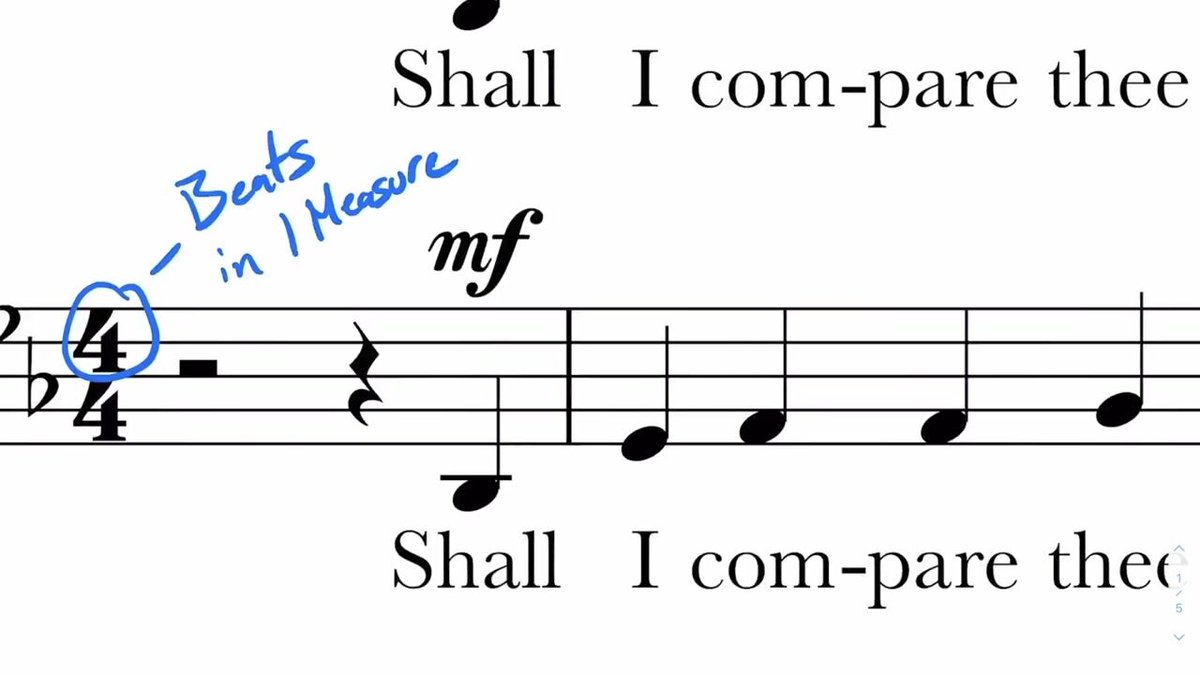
- Time signatures. Top number equals beats in a measure, bottom number equals which note gets the beat.
- Key signatures and finding Do. Same sharp and flat rules as band and choir, read on each student's own clef.
- Rhythm that survives the bow. A pulse students can feel while they change bows and string crossings.
- Symbols and road maps. Dynamics, articulations, repeats, and D.S. markings that show up in festival music.
If a theory idea does not show up in this concert cycle, save it. The folder is the filter.
Why Theory Belongs After Tuning
Three reasons. First, a tuned orchestra that cannot read the meter or the key will still stop every eight measures. Second, violas who only survive by watching violin bows never become independent readers. Third, short daily theory keeps advanced and beginning players in the same conversation. A three-minute lesson on the screen levels the room without eating the piece you need to rehearse.
Press play after tuning. That is the whole scheduling idea behind Three Minute Theory, and it matches how orchestra periods actually run. The orchestra page on ThreeMinuteTheory.com spells out the same flow: lessons of about three minutes, alto clef included, no student login needed to project.
5 Ways to Fit Theory Into a String Rehearsal
1. One clef check before the first note
Especially with violas. Ask: Which clef is on your part? Where is middle C on your staff? Have violins point to a treble C, violas to the middle line in alto clef, and low strings to a bass C. Thirty seconds, every day you open a new piece.
Chapter 1 covers treble and bass clef and the staff. Chapter 101, The Alto Clef, is the bonus chapter built for violists (and anyone else reading C clef). Project it the week you hand out a piece with real alto clef reading demands, then do the clef check with instruments up.
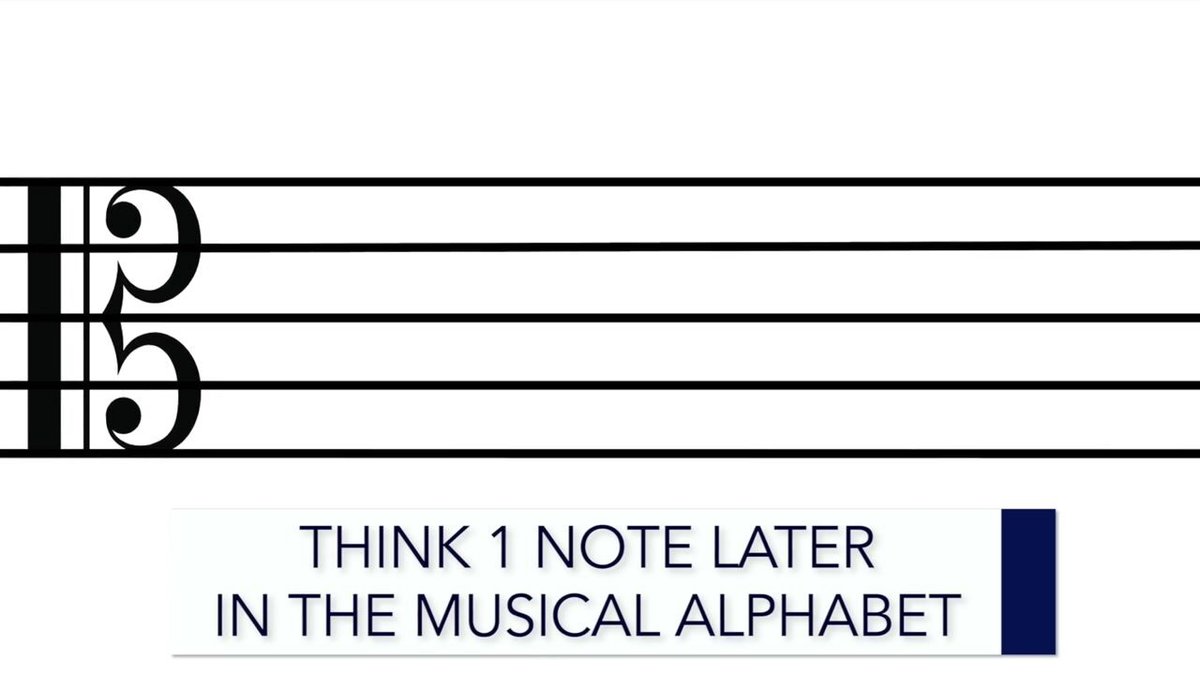
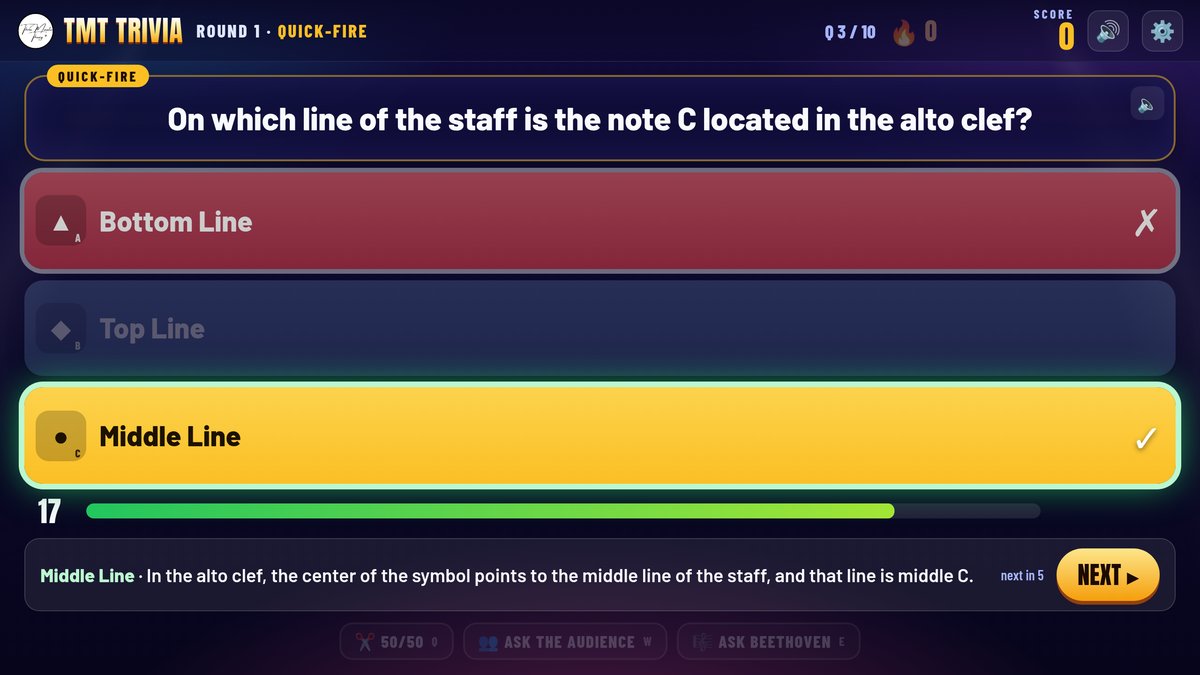
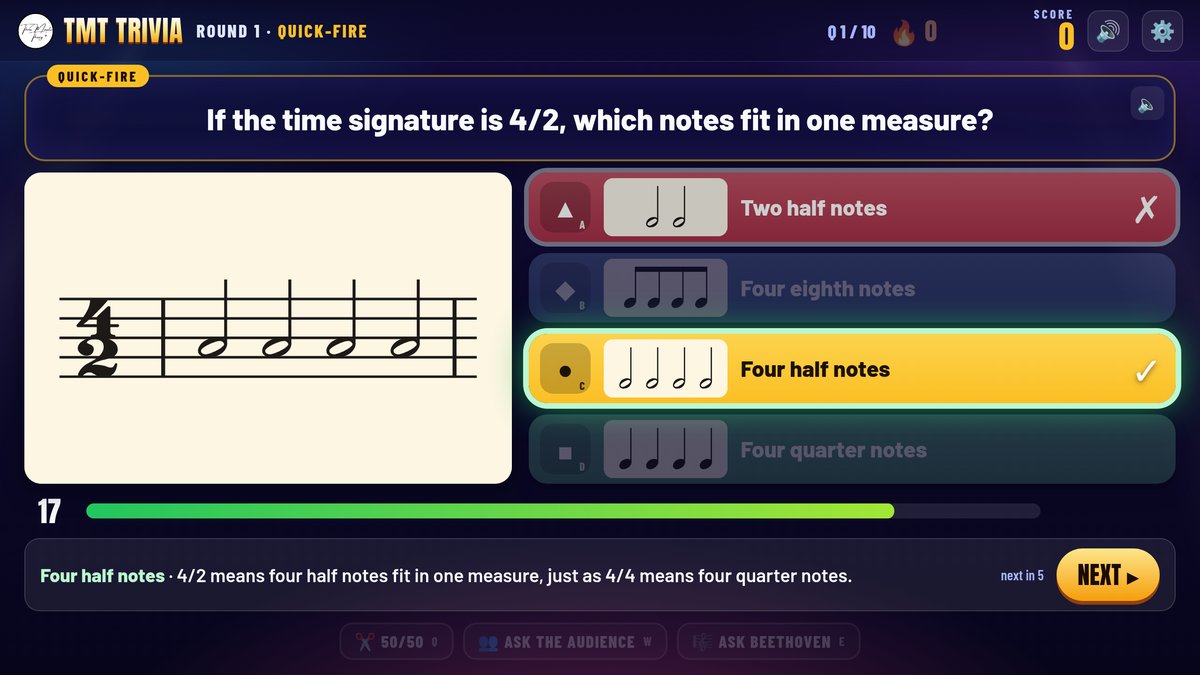
Follow the video with a short TMT Trivia round on Chapter 101 so violas answer questions about where C sits and which instruments use alto clef. Then go straight into the first phrase of the piece.
2. Name the meter, then bow the pulse
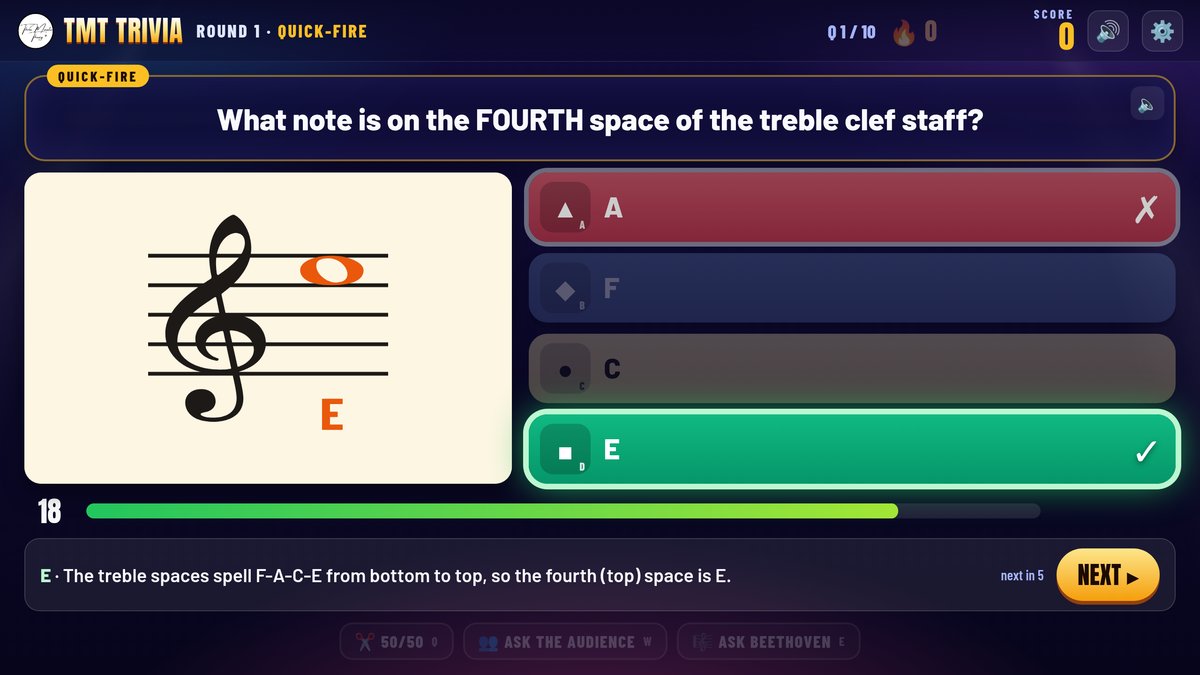
Same habit as band: look at the time signature, say the top and bottom numbers, clap or air-bow one measure of pulse, then play. Chapter 3, Time Signatures, teaches the numbers in about three minutes. Chapter 11 reviews quarter notes against that pulse. When 6/8 appears, switch to Chapter 18.
3. Find Do on your own staff
Key signatures are where orchestra theory collides with transposition myths. String students mostly read concert pitch, but violas still have to find Do on a different looking staff. Teach the same rules band uses: last sharp is Ti, last flat is Fa, second-to-last flat is Do. Then have every section point to Do on their own part.
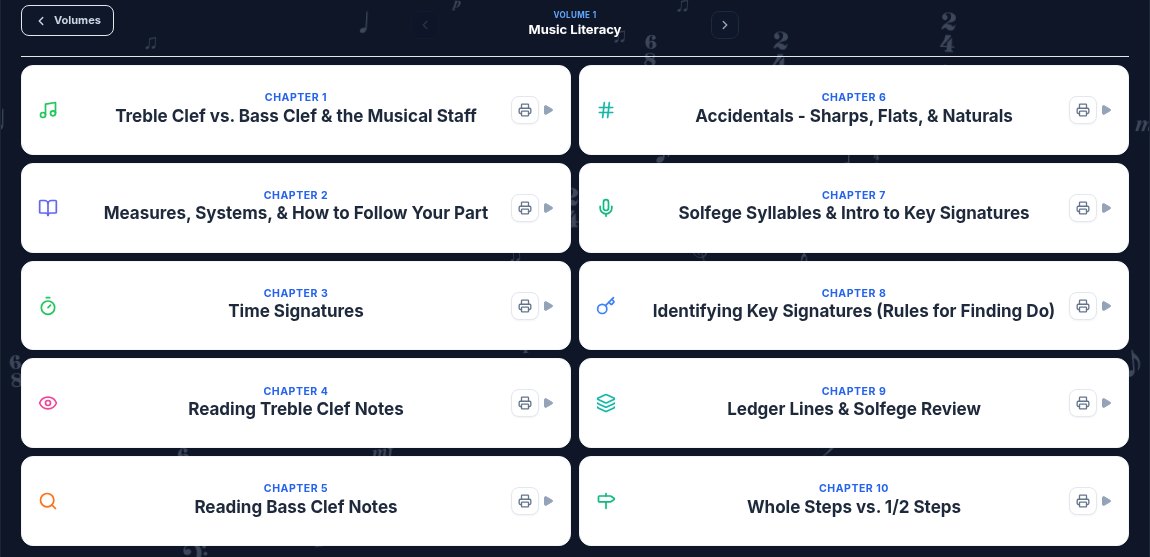
Chapters 7 and 8 in Volume 1 cover solfege and the Find Do rules. Our post on how to teach key signatures has the warm-up version of those rules in more detail. For orchestra, add one sentence: always read the key signature on your staff, including alto clef.
4. Ear training that helps tuning and ensemble
Strings live and die by listening. Chapter 34 (Tuning: Sharp vs Flat) and Chapter 36 (Feeling the Pulse and Subdivision) sit in Volume 4 Ear Training. A short lesson after tuning is not a detour. It is rehearsal. Pitchy Bird in Music Tools lets a student sing or play into the microphone while the bird rides the matching solfege lane. Set it to the key you just named, pick a treble or bass instrument view that matches the demo student, and keep bari sax out of the bass clef view.
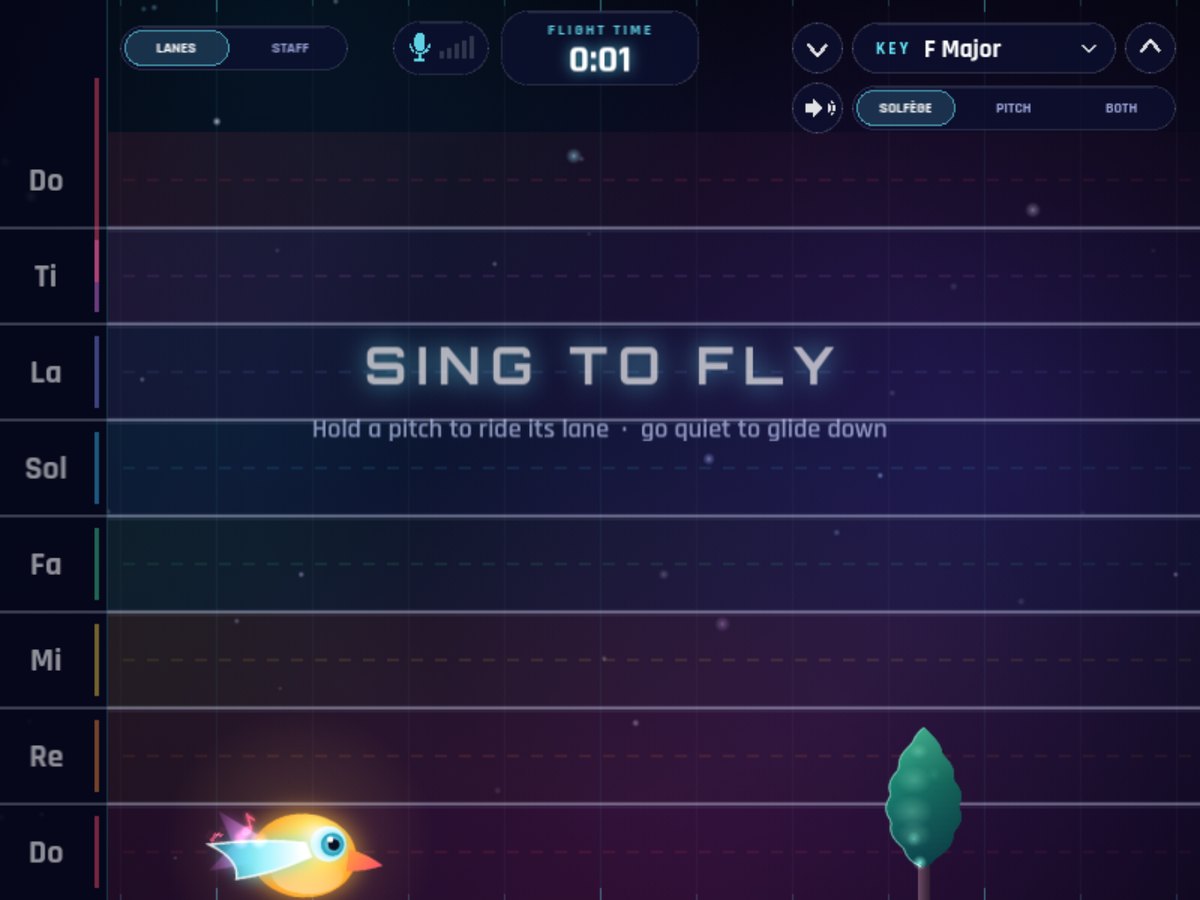
Watch Matthew play it live on YouTube (recorded in 2025, so a few screens look different now): Pitchy Bird Music Education Game Live Demo
More warm-up ideas: ear training for band and orchestra.
5. A little history that makes the orchestra make sense
When you have a flexible day, Chapter 59, The History of the Orchestra, gives students a three-minute story about how the ensemble grew. It will not fix intonation, but it gives context for why their section sits where it sits. Pair it with a quick Trivia round on Chapter 59, then get back to the piece.
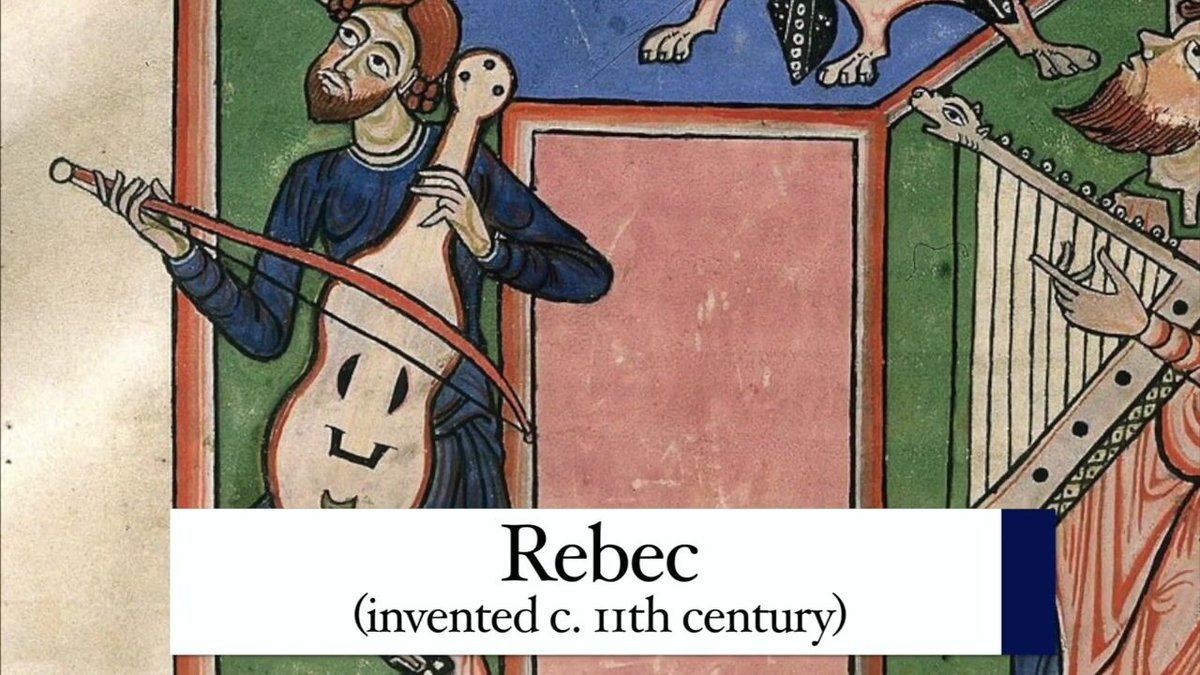
Matthew's related history lesson on notation is also a nice cross link if you want a full length watch outside of class:
Watch on YouTube: The History of Music Notation - Three Minute Theory Music History Lesson!
A Simple Weekly Orchestra Theory Plan
- Monday: Project one literacy lesson (Chapter 3, 8, or 101) after tuning. Find it in the concert music.
- Tuesday: TMT Trivia on that chapter, five questions, instruments down then up for a scale in the right meter and key.
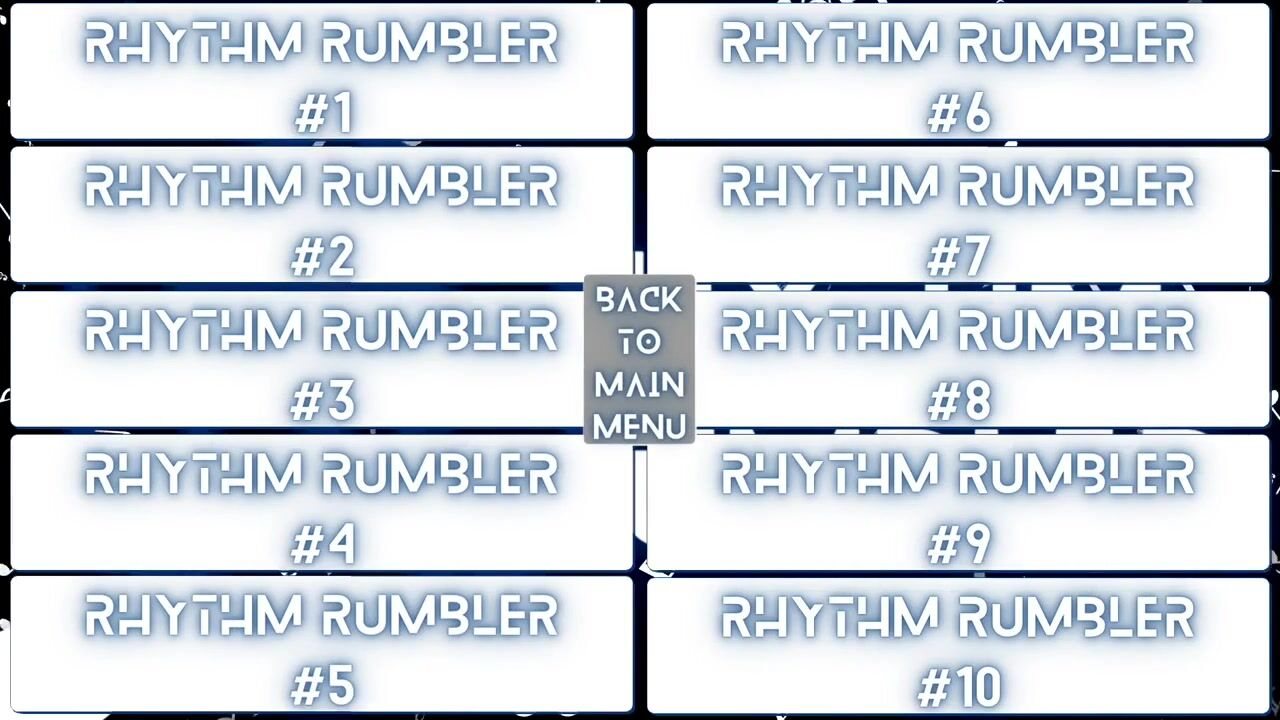
- Wednesday: Rhythm Rumbler or a pulse game, then the hardest rhythm in the folder. See band rhythm games for Rumbler details that work for strings too.
- Thursday: Find Do and a short Pitchy Bird demo in the concert key.
- Friday: Live Review or Assessments on the week's chapters, then rehearse the section that used the skill.
Assign, Mix, and Check Without Losing Rehearsal
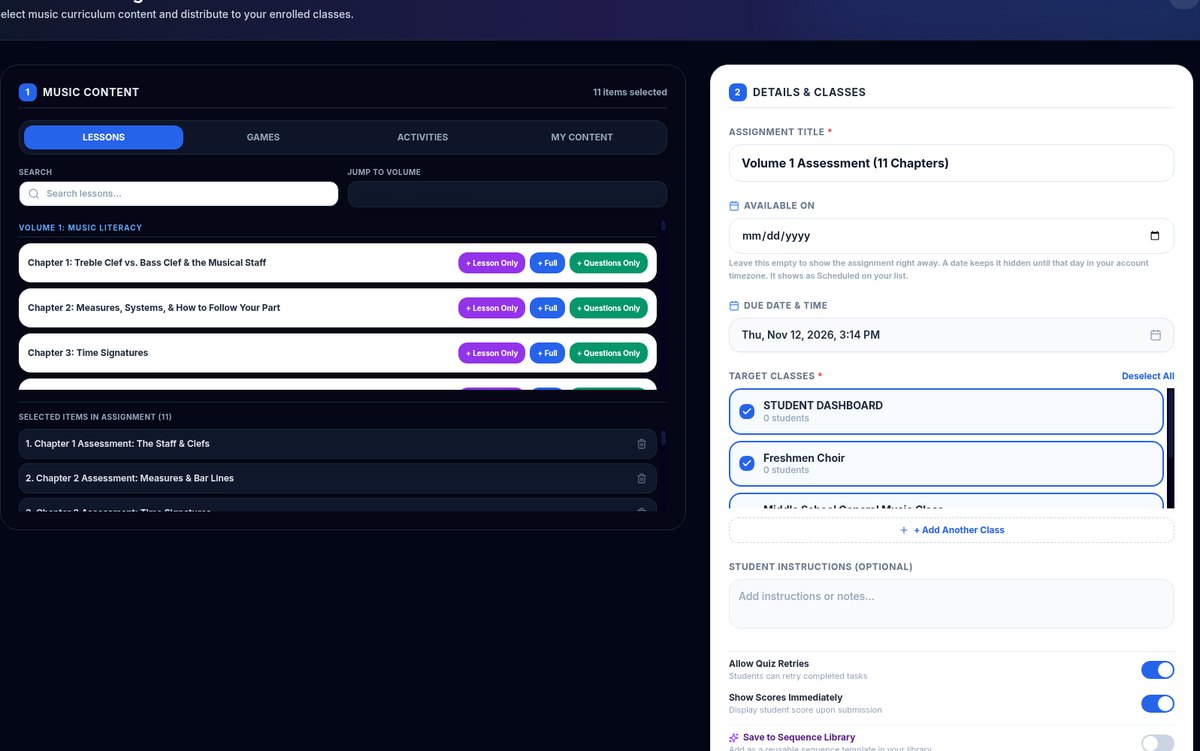
When students have devices, assign Chapter 101 or Chapter 8 as Lesson Only or Full Lesson and Quiz. The assign dialog lets you set level, due date, and the class leaderboard toggle. Mix up to three chapters when you want a weekend review before a festival.
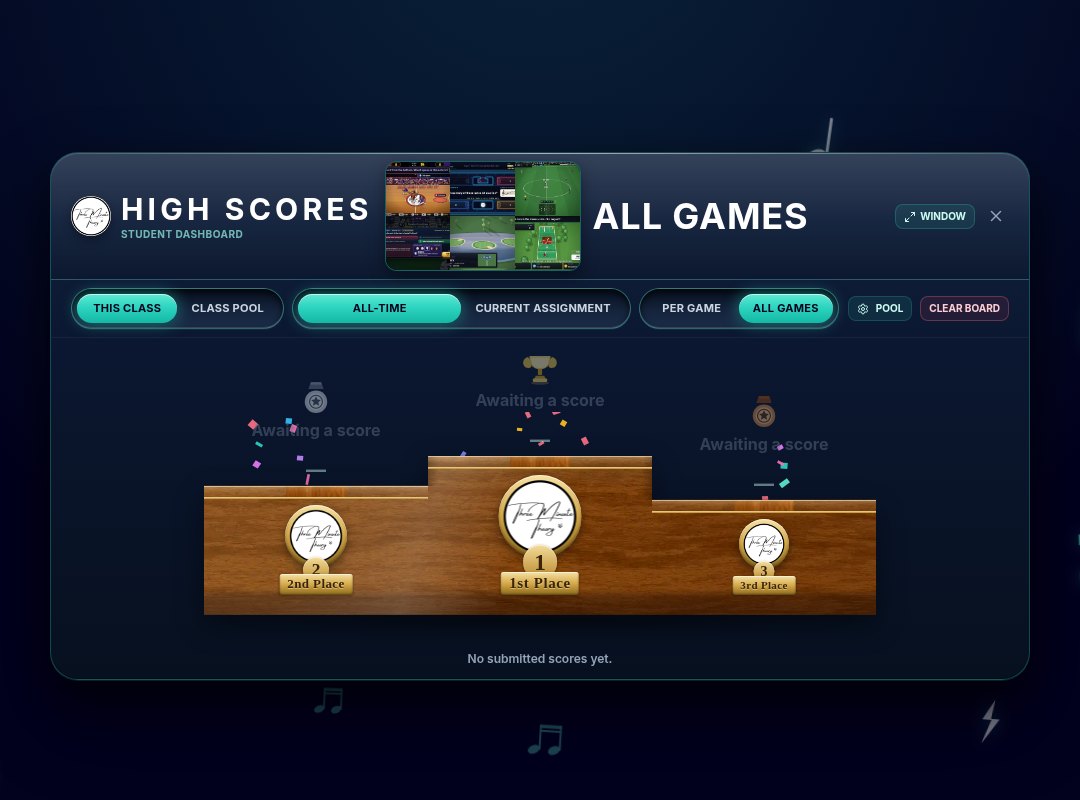
Live Review works for orchestra the same way as band: lesson on the room screen, phones as pads, save scores at the end. Assessments can project a 20 or 30 question quiz built from the chapters you selected. Live Game Challenge can put several games and up to five chapters on student devices while you watch the High Scores board.

How This Fits Choir and Band Teachers Who Also Have Orchestra
If you teach more than one ensemble, keep the rules identical across rooms. The Find Do rules in choir match Chapters 7 and 8 in orchestra. Meter habits match Chapter 3 in band. Our posts on music theory for choir and how to teach time signatures in band use the same curriculum spine. The music theory curriculum map shows where each volume lands in a school year.
Start Tomorrow
After tuning tomorrow, project Chapter 101 or Chapter 3, ask each section one question about their clef or meter, and play the first phrase. That is the whole habit. For a stations day that works in orchestra or general music, see music theory centers for middle school.
If you want these lessons and games ready to project, visit Three Minute Theory for orchestra, or try Three Minute Theory free for 7 days at ThreeMinuteTheory.com. For sight-reading that matches your keys and meters, try SightReadQuest's daily sight-reading routine for orchestra. More from founder Matthew Gawronski at MatthewGawronski.com.