Music Theory for Choir: Teaching Theory Through Your Concert Music
What music theory choir students need, five ways to teach it with your concert octavos, and how the Choir Volume and games fit into a few minutes after warm-ups.
Ask a room of choir students what music theory is, and many will tell you it is a worksheet. Something separate from singing. Something the band kids do. Then you hand out a new octavo, and those same students cannot find their line, do not know where Do is, and sing straight through a repeat sign.
That gap is the best argument for teaching music theory for choir students through the music they are already learning. The concert piece in their folder is full of theory: a key signature, a time signature, dynamics, a road map of repeats and codas, and lyrics that stretch across several notes. When theory explains the page in front of them, students stop seeing it as a separate subject. This post covers what choir students actually need, five ways to teach it with your concert music, and how I use Three Minute Theory to keep it to a few minutes after warm-ups.
What Music Theory Do Choir Students Need?
Choir students do not need a college theory course. They need the theory that helps them read and rehearse their music. Here is my short list:
- Reading the score. What an octavo is, how staves are stacked in a system, which line is theirs, and how to follow it to the next system.
- Clefs and voice parts. Treble and bass clef, and why the tenor line often has a small 8 under the treble clef (it sounds an octave lower).
- Key signatures and finding Do. The key signature tells them where home is. If they can find Do, they can find their starting pitch with solfege.
- Time signatures and rhythm. What the top and bottom numbers mean, and how to count their part.
- Text underlay. How lyrics line up with notes, and what slurs, hyphens, and extender lines mean for a syllable.
- Symbols and road maps. Dynamics, tempo markings, articulations, repeats, first and second endings, D.S. al Coda, and Fine.
- Steps and skips. Whether their line moves by step or jumps, which is the first thing that makes a part feel singable.
Every item on that list shows up in almost every octavo. That is why the concert folder is the best theory textbook you have.
Why Teach Theory Through Concert Music?
Three reasons. First, it is immediately useful, so students care. Learning "the second-to-last flat is Do" means more when they can turn to measure 1 and find their starting note. Second, it saves rehearsal time. Students who can follow a road map and read a key signature need fewer stops. Third, it builds independence. The goal is a choir that can open a new piece and figure out a lot of it without you.
The trick is keeping it short. A long theory lecture in the middle of rehearsal loses the room. A three-minute lesson right after warm-ups, followed by "now find it in your music," keeps the energy up.
5 Ways to Teach Theory With Your Concert Music
1. The Score Map
On the first day with a new piece, before anyone sings, give students two minutes to map the score. Find the title, composer, and arranger. Find your staff in the first system. Find the key signature and time signature. Find the first dynamic marking. Count how many systems are on page 1. Then ask: "Where do we go after the last system on this page?" It sounds simple, but it teaches students how to follow a choral score, and it takes the panic out of the first read. If you want a longer walkthrough, Matthew's full-length choir lesson How To Read A Choral Score is on YouTube.
2. Find Do Before You Sing
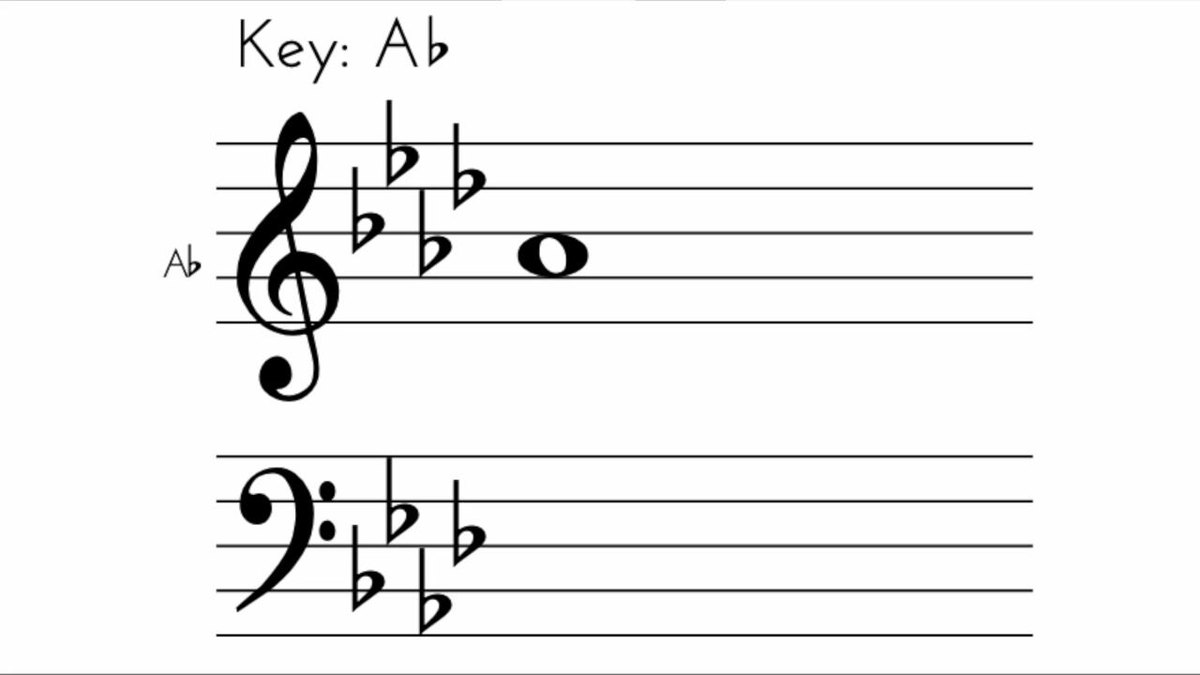
Make it a ritual. Before you sing any new section, ask, "What is the key signature? Where is Do?" Use the rules: in a sharp key, the last sharp is Ti and Do is a half step up. In a flat key, the last flat is Fa and the second-to-last flat is Do. No sharps or flats means Do is C, and one flat means Do is F. Then have students find Do on their own staff, including the bass clef parts, and name the solfege of their first note.
Band directors teach the same rules with instruments, and our post on how to teach key signatures to middle school band has a warm-up version.
This is pure theory, and it takes less than a minute. When you are ready to turn that into actual sight-singing practice, that is a separate skill I will talk about below.
3. Text Underlay Detective
Lyrics are where choir theory gets interesting. Pick a phrase from your piece and ask: How many notes does this syllable get? Where is the slur? What does the hyphen between syllables mean? What does the line after a word mean? A melisma (one syllable over several notes) is a great teaching moment, because students who miss it will sing a new word on every note.
4. Road Map Rehearsal
Repeats, first and second endings, D.S. al Coda, and Fine trip up every choir. Before you run a piece with a road map, have students trace it with a finger and say the measure numbers out loud: "Measure 1 to 24, repeat, second ending, D.S. to the sign, To Coda, jump to the coda." Then sing it. Students who can read a road map stop getting lost, and you stop yelling "We're on page 6!"
5. Symbol Hunt
Give the choir 60 seconds to find every dynamic marking on one page, or every crescendo, or every tempo change. Then ask the most important question: "What should it sound like?" Sing the phrase once ignoring the markings and once following them. Students hear the difference immediately, and the symbols stop being decoration.
A Simple Weekly Routine
This fits right after your vocal warm-ups.
- Monday: A three-minute theory lesson on one concept, then find it in the concert piece.
- Tuesday: Find Do for each piece you will rehearse that day.
- Wednesday: Text underlay or road map practice on one section.
- Thursday: A quick theory game on the concept from Monday.
- Friday: A short check, then rehearse the section where that concept shows up most.
Rotate concepts by the needs of your repertoire. If the next concert piece has a D.S. al Coda, that is the week for road maps.
How Three Minute Theory Helps
Three Minute Theory is a sequential curriculum for choir, band, orchestra, and general music. Each lesson takes about three minutes, so it fits after warm-ups without eating rehearsal. Here is how I use it for choir theory.
The Choir Volume
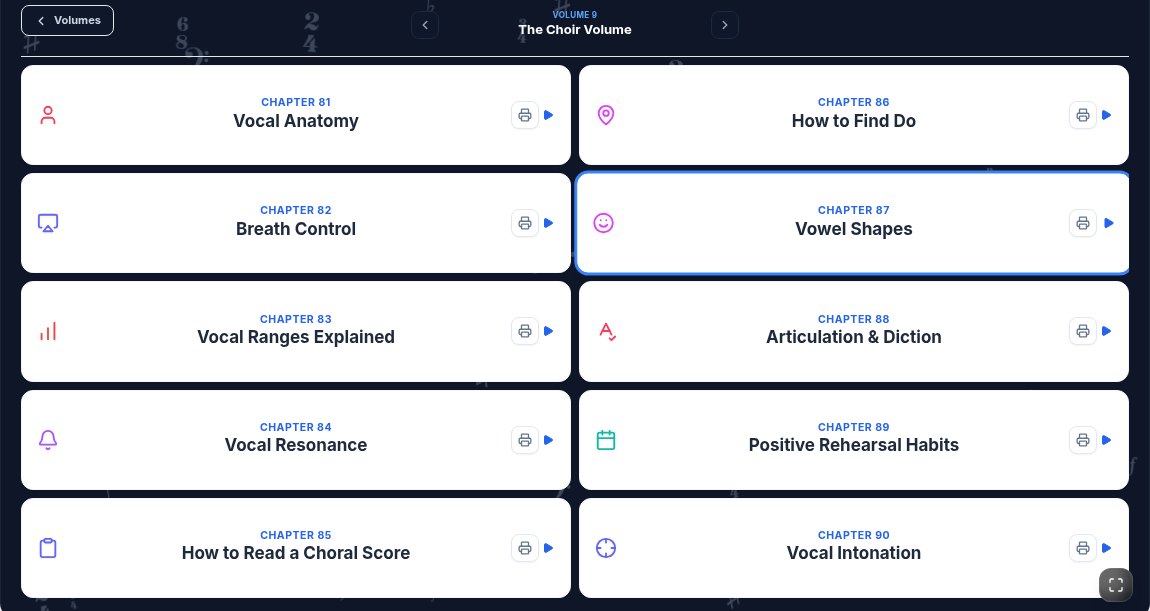
Volume 9 is The Choir Volume, ten chapters written for singers: Vocal Anatomy, Breath Control, Vocal Ranges Explained, Vocal Resonance, How to Read a Choral Score, How to Find Do, Vowel Shapes, Articulation and Diction, Positive Rehearsal Habits, and Vocal Intonation. For theory, the two I use most are Chapter 85 and Chapter 86.
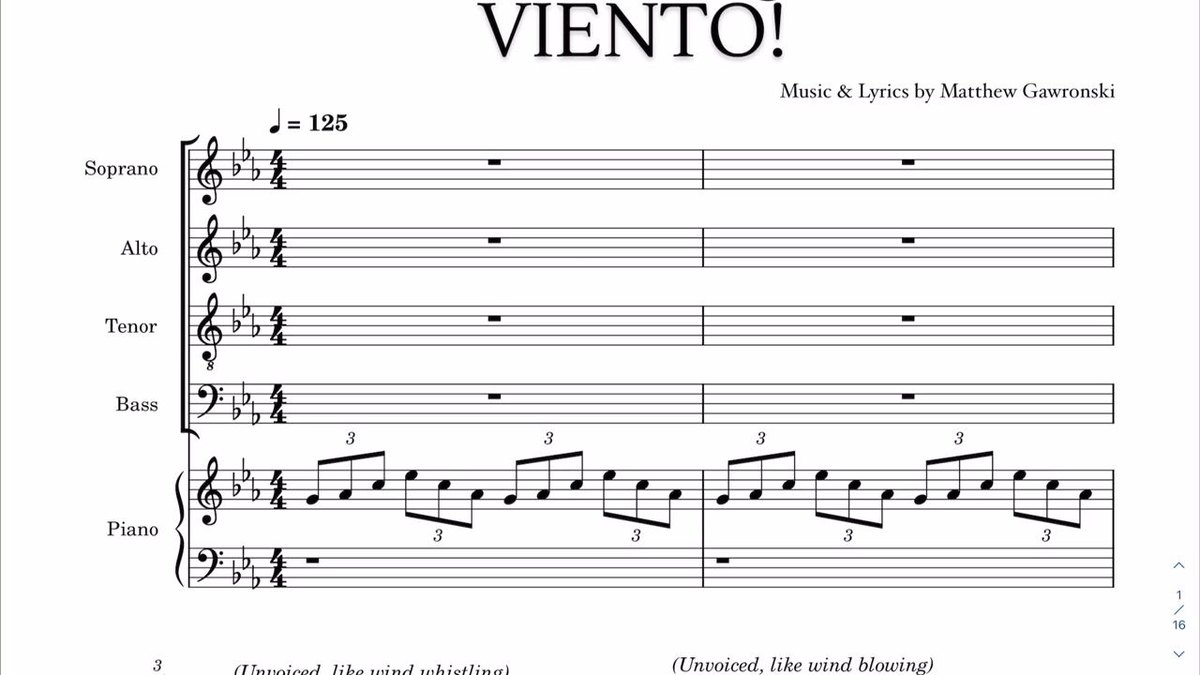
Chapter 85, How to Read a Choral Score, walks through a real SATB score, including the soprano, alto, tenor, bass, and piano staves. It is the perfect lesson to play the day you hand out a new octavo. Then you do the Score Map activity with your own piece.
Chapter 86, How to Find Do, teaches the sharp and flat rules with key signatures in both treble and bass clef. That matters for choir, because your tenors and basses need to find Do on their own staff too.
Not every Choir Volume lesson is theory, and that is on purpose. Chapter 89, Positive Rehearsal Habits, is about how a choir works together, and it is a good one to show the first week of a new concert cycle. Here it is in full, so you can see how short these lessons are.
Watch on YouTube: Positive Choir Rehearsal Habits
If you want earlier background, Volume 1 covers the staff, clefs, time signatures, accidentals, and key signatures, and Volume 3 covers musical symbols: dynamics, crescendos and fermatas, repeat symbols, tempo markings, following your part, staccato and legato, phrasing, and D.S. al Coda and Fine.
Games That Match Your Repertoire
Every Three Minute Theory game can play any chapter. So if your concert piece has a melisma or a tricky key signature, you can run a game on the chapter that covers it. I like TMT Trivia on the projector after a lesson. The Chapter 85 questions are built around choir scores, like this one about text underlay.
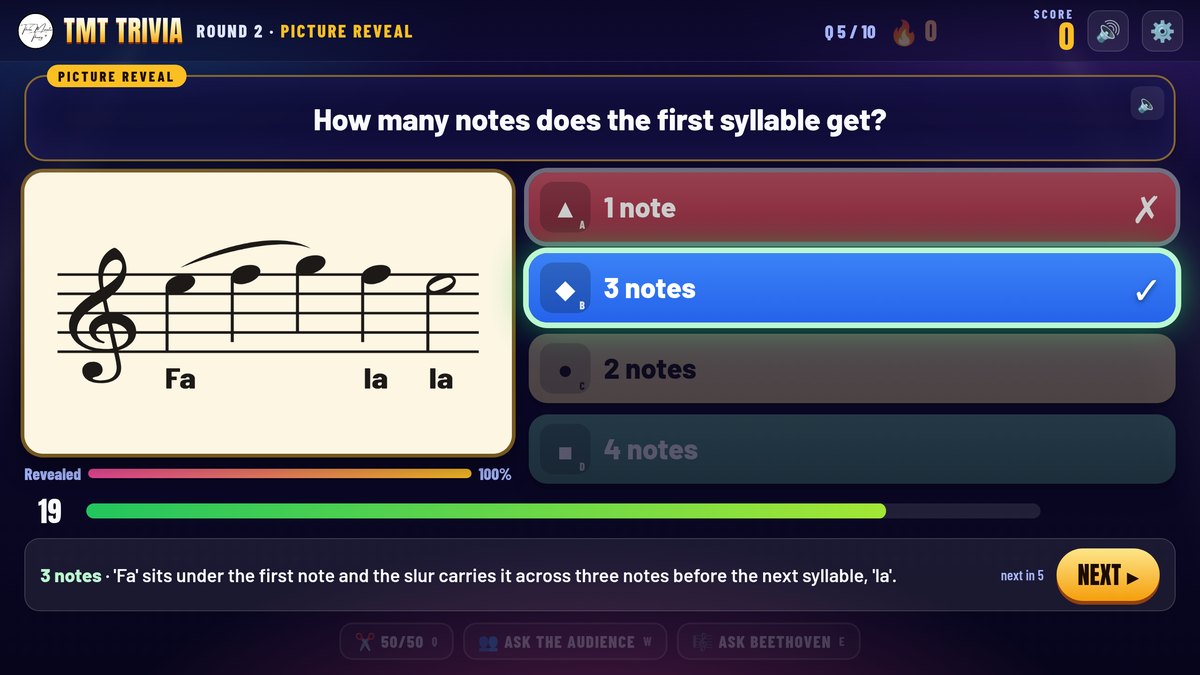
After you play it, turn to your concert piece and find a melisma. Ask the same question about a real phrase. That is the whole point: the game teaches the idea, and your octavo gives students a place to use it right away.
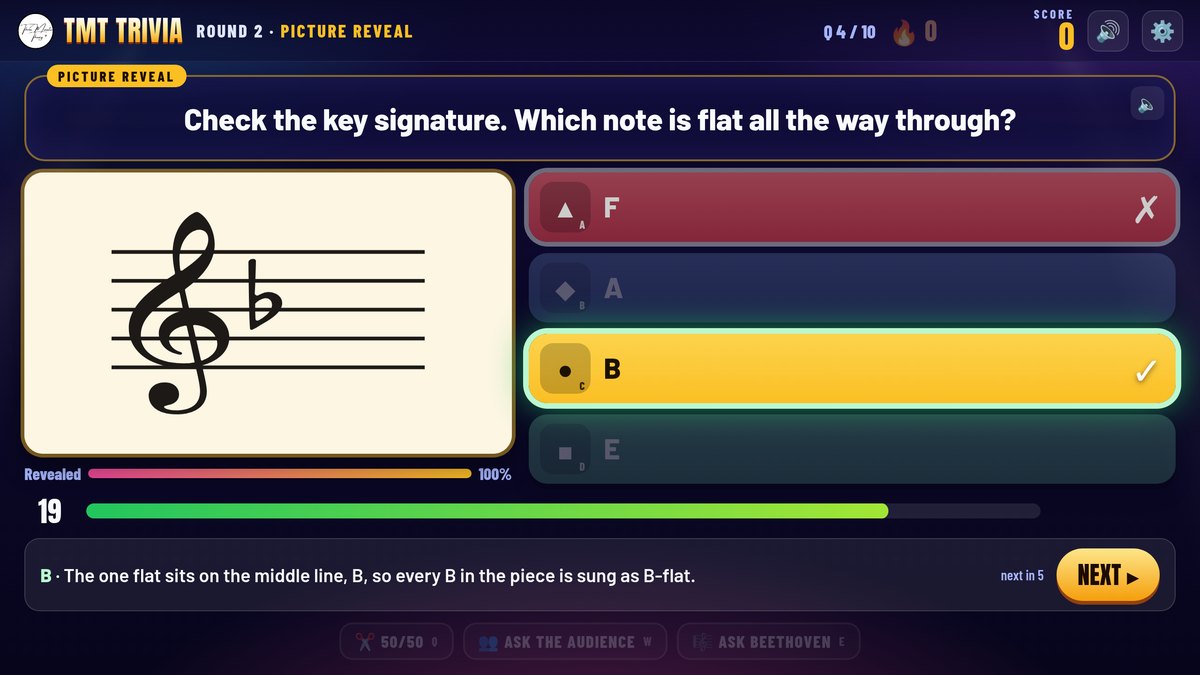
Chapter 86 games drill the Find Do rules. A quick round before you rehearse a new section makes the Find Do ritual faster, because students already have the rules in their heads.
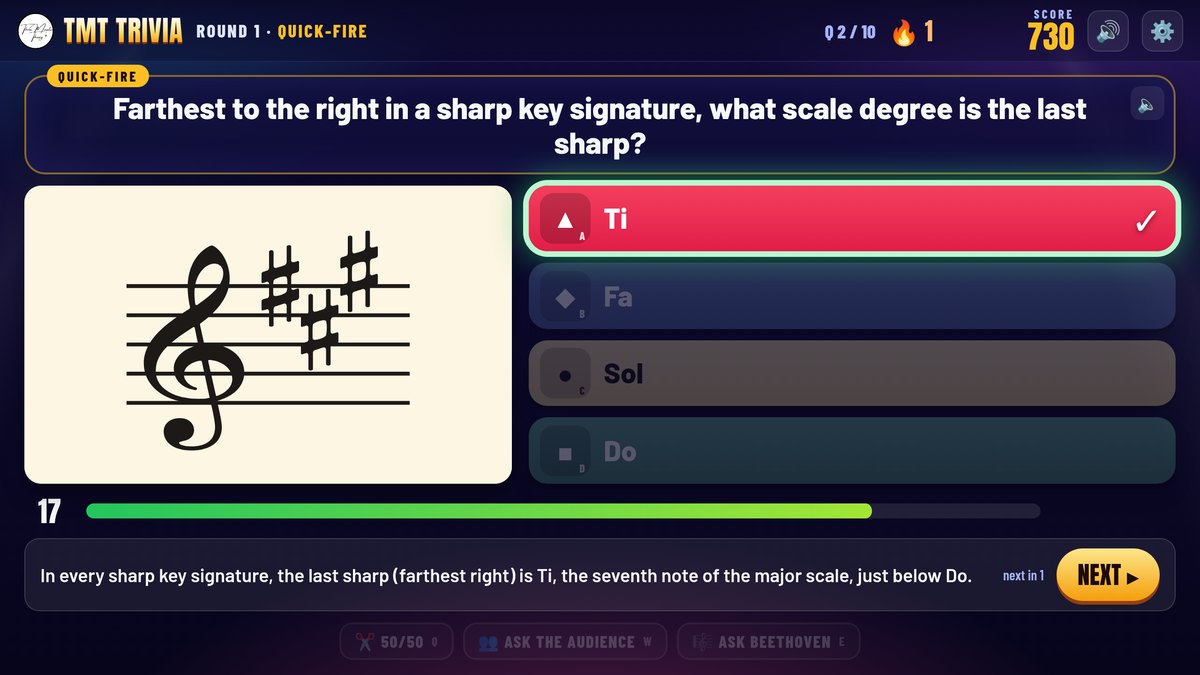
You can also mix up to three chapters in one game. Before a concert with a tricky road map, a mix of Repeat Symbols (Chapter 23), D.S. al Coda/Fine (Chapter 28), and How to Read a Choral Score (Chapter 85) is a quick review of everything students need to get through the piece.
Pitchy Bird: Sing Your Way to Do
Finding Do on the page is theory. Pitchy Bird connects it to the voice. It is a pitch-matching game in the Music Tools on the teacher dashboard. A singer holds a pitch, and the bird flies in the lane for that pitch. In Lanes view, the lanes are labeled with solfege from low Do to high Do, and you can switch the labels to pitch names or show both.
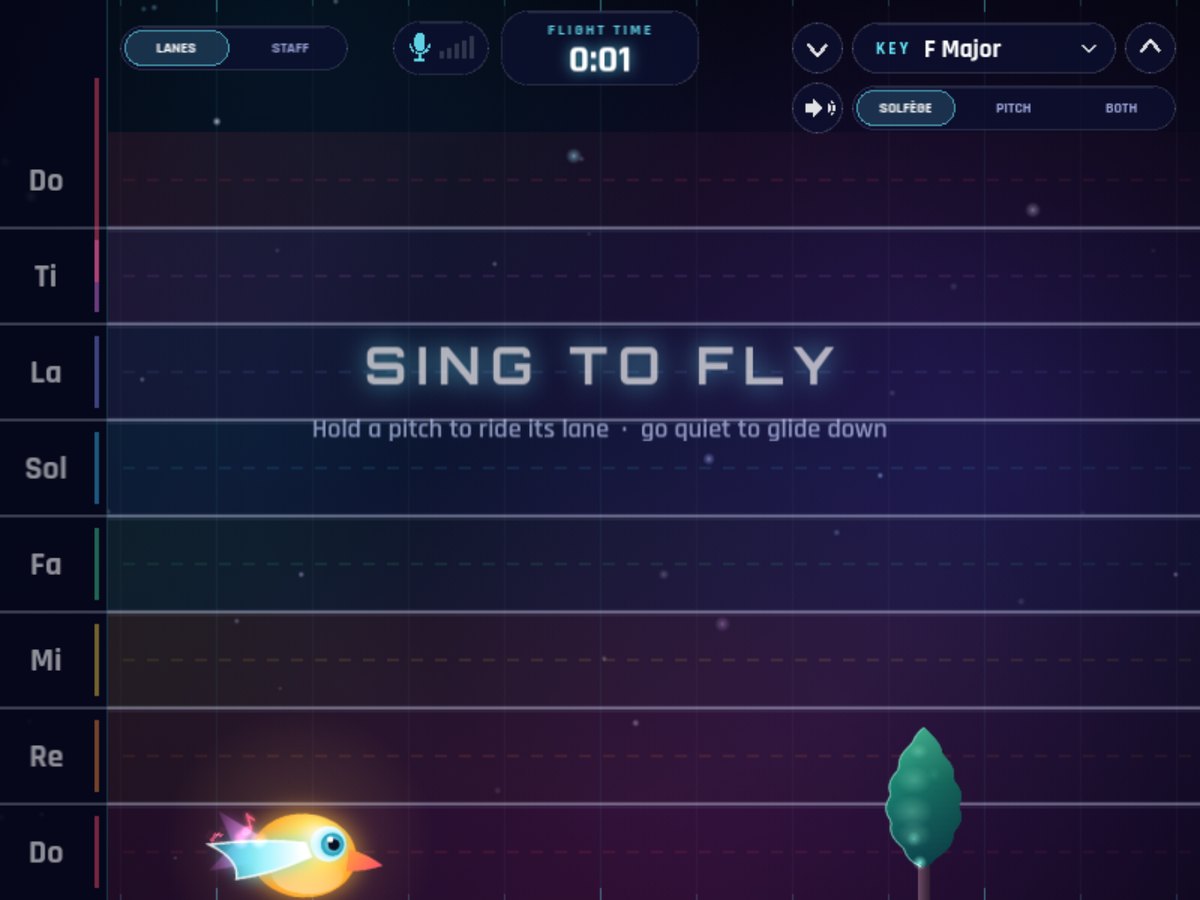
It covers all 12 major keys, and you pick a voice part: Soprano, Alto, Tenor, Baritone, or Bass. Staff view shows the key signature on a staff in that voice's clef, so your tenors see the treble clef with the 8 below it and your basses see bass clef. Here is how I use it with repertoire. After the choir finds Do in the concert piece, I set Pitchy Bird to the same key, and a volunteer from each section sings Do and flies up to Sol and back. The room hears where home is before we open the octavo.
Play Together or Assign It
If your singers have devices, TMT Trivia has a Play as a class mode. The game runs on the room screen while students answer on their own devices, and you can save the scores to your gradebook. Students need to be signed in to join. You can also assign any game with a level, an optional due date, and a class leaderboard. Students can replay as often as they like, and their grade is their best accuracy.
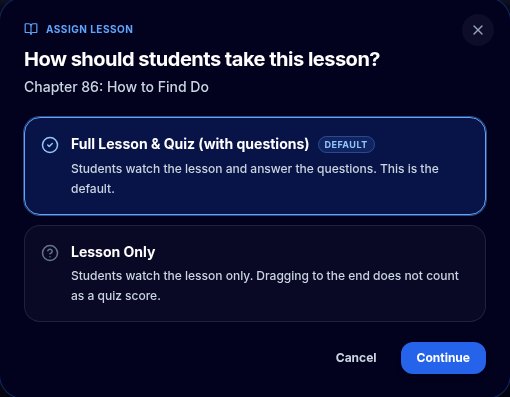
When you assign a chapter lesson, like Chapter 86, you choose how students take it: the Full Lesson & Quiz, which is the default, or Lesson Only, where students just watch and it does not count as a quiz score.
For a Friday check, the Assessments page has 10 multiple-choice questions for each chapter, and you can select Chapters 85 and 86 together to project or assign as one 20-question quiz.
For a quick check of the whole choir, Live Review plays the chapter lesson on the room screen while student phones become answer pads. You pick 3 to 10 questions and can save the scores when you are done.
More Ways to Use It With Choir
On the Three Minute Theory for choir page, you can see how directors use it right after warm-ups, with no student login needed to project. If you want to plan the whole year, our music theory curriculum map shows where each unit fits around concert season. Our music theory bell ringers work as warm-up prompts in choir too. And when December gets busy, these music theory activities for the week before winter break work just as well with singers.
Theory First, Then Sight-Singing
Music theory and sight-singing go together, but they are not the same skill. Theory is knowing that the last sharp is Ti. Sight-singing is hearing and singing Ti before you sing Do. I teach the theory in rehearsal with the activities above, and I treat sight-singing as its own daily practice.
For sight-singing, our sister app SightReadQuest lets students sing into a mic and see right and wrong notes on the staff as they go. If you want a broader plan, their guide on how to sight read and improve in ensembles is a good next read.
Frequently Asked Questions
What music theory should choir students learn first?
Start with what helps them read their own music: the staff and clefs, how to follow their line in a choral score, time signatures, and how to find Do from a key signature. Then add symbols, road maps, and text underlay as your repertoire calls for them.
How much rehearsal time should choir spend on theory?
A few minutes a day is enough if you are consistent. A three-minute lesson after warm-ups, followed by a minute of "find it in your music," teaches more than a full theory day once a month.
Do tenors and basses need different theory instruction?
The concepts are the same, but make sure they practice them on their own staff. Tenors need to know that a treble clef with an 8 below it sounds an octave lower, and basses need to find Do in bass clef. The rules for finding Do work the same in both clefs.
Is music theory the same as sight-singing?
No. Theory explains what is on the page. Sight-singing is singing it at first sight. Theory makes sight-singing easier, but students need regular singing practice too.
Start Tomorrow
Pick the piece you are rehearsing tomorrow. Before you sing, give your choir one minute to find the key signature, find Do, and find their first note. That is the habit that makes everything else easier.
If you want the Choir Volume lessons and games ready to go, take a look at Three Minute Theory for choir directors, or try Three Minute Theory free for 7 days at ThreeMinuteTheory.com. If your choir liked Viento! in the Chapter 85 lesson, it is available for Unison, 2-Part, 3-Part Mixed, SAB, and SATB on the choir sheet music page at MatthewGawronski.com, along with more classroom ideas from founder and choir director Matthew Gawronski.