Band Rhythm Games for Reading
Six band rhythm games that get students reading, not just copying, plus how Rhythm Rumbler fades the counts as students improve.
Rhythm games are an easy win in band. Kids love them, they wake up a sleepy room, and they get everyone moving. But a lot of rhythm games do not build reading. Students copy what they hear, clap from memory, or follow the kid next to them. They have fun, and they still freeze when a new rhythm shows up in their music.
The good news is that a small change usually fixes it. This post covers what makes a rhythm game build real reading, six games you can run tomorrow, and a closer look at Rhythm Rumbler, the projected rhythm warm-up built into Three Minute Theory for band.
What Makes a Rhythm Game Build Reading
Before you add a game to your rehearsal plan, run it through this checklist:
- Eyes on the notation. Students should be reading notes on a page or screen, not just copying a sound.
- A steady pulse. Use a metronome, a drum beat, or your foot. Reading without a pulse is just guessing.
- Help that fades. Start with counts written in or a model to copy. Then take that help away.
- A path to the instrument. Clap it, count it, then play it. The rhythm should end up in their horns, not just their hands.
- Short and frequent. Three to five minutes a day beats one long rhythm day a month.
Common Mistakes With Rhythm Games
- Always modeling first. If you clap every rhythm before students read it, they will wait for you. Model sometimes, not every time.
- Speeding up when it gets exciting. Keep the metronome on. A game that rushes teaches rushing.
- Only clapping. Clapping is a starting point. Move the rhythm to the instrument within the same day.
- Too many new rhythms at once. Add one new rhythm per day and mix it with ones they already know.
- Skipping the "why." Name the rhythm and say where it lives in their music, so the game connects to rehearsal.
6 Rhythm Games for Band That Build Reading
1. Echo, Then Read
Clap or play a one-measure rhythm. The band echoes it. Do this three or four times. Then show the four rhythms you just played, written out on the board, and ask students to find each one as you play it again. The echo builds the sound in their ears. The reveal connects that sound to the notes on the page.
2. Which One Did I Play?
Write four rhythms on the board and number them. Play one on your instrument. Students hold up fingers to show which one they heard. This is fast, quiet, and gives you an instant read on the whole room. To make it harder, make the four rhythms almost the same, such as one with a dotted quarter and one with a quarter and two eighths.
3. Count, Sizzle, Play
Put up one line of rhythm. First, the band counts it out loud ("1 and 2 and"). Next, they sizzle it on a "tss" sound with air only, so wind players use real breath support. Last, they play it on concert B-flat or a note from the scale you just warmed up on. This one game covers reading, counting, breathing, and playing in about two minutes.
4. Poison Rhythm, Reading Version
In the classic version, you clap rhythms and students echo every one except the "poison" rhythm. For a reading version, write the poison rhythm on the board. Then clap, or point to, rhythms written on the board. If the rhythm matches the poison one, students must stay silent. To win, they have to read and compare, not just react.
5. Section Relay
Write a four-measure line. The flutes play measure 1, clarinets measure 2, saxes measure 3, and brass measure 4, without stopping the pulse. Then rotate who starts. Every section has to keep its place and come in on time, which is exactly the skill they need in their concert music.
6. Find It in the Folder
Pick a tricky rhythm from your concert music and write it on the board without saying where it is. Give the band 60 seconds to find it in their part. Then play that passage. This sends students back into their real music, which is where reading counts most.
Rhythm Rumbler: A Reading Warm-Up You Can Project
Rhythm Rumbler is the rhythm warm-up built into Three Minute Theory. You open it from the Music Tools menu on your teacher dashboard and project it for the whole band to clap and play along with. Teachers use it at the start of rehearsal, or as a quick reset at the end.
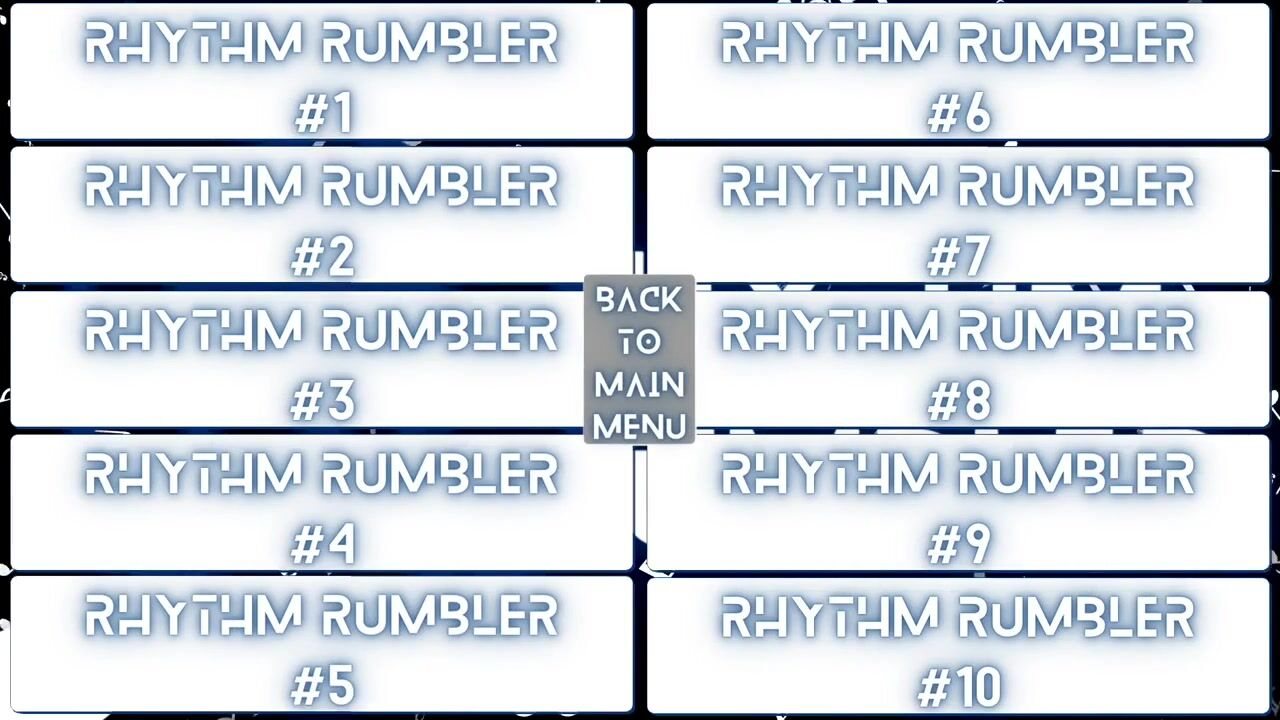
There are 30 levels, grouped on menus for Levels 1 to 10, 11 to 20, and 21 to 30, so you can start where your band is and move up through the year.
How a Level Works
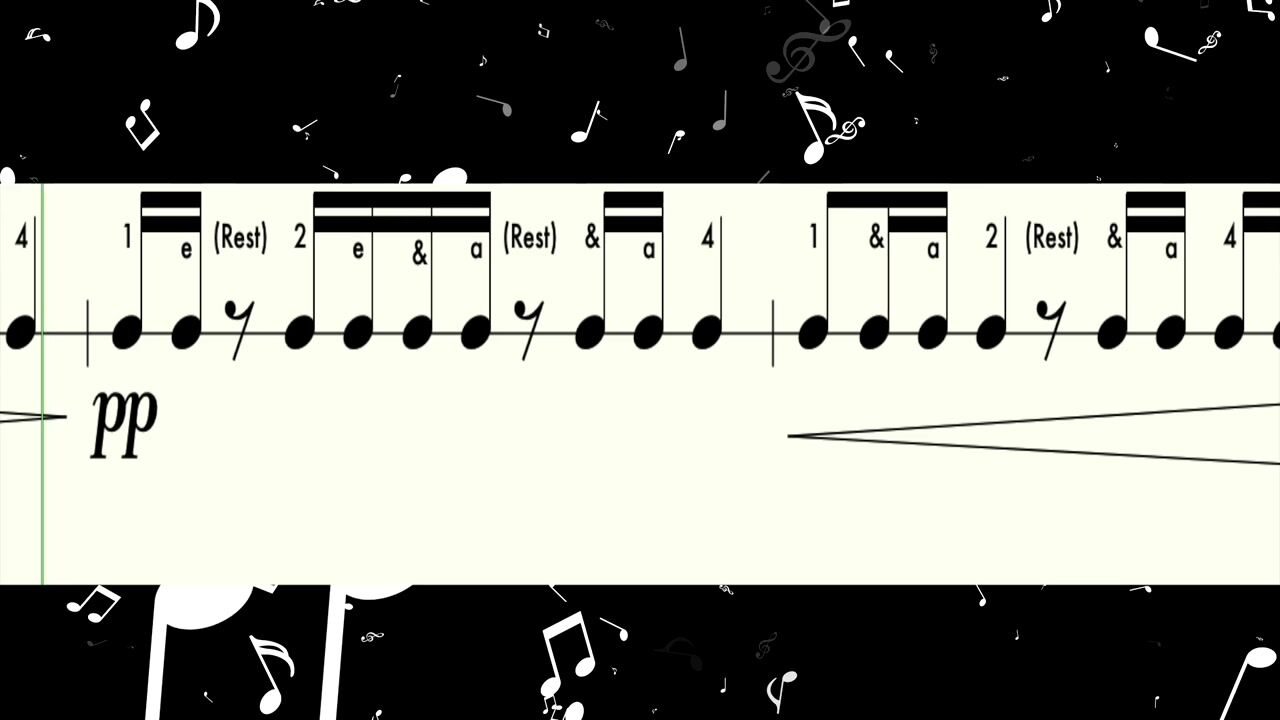
Each level is one rhythm line that scrolls across the screen past a play line, with dynamics marked below the notes. A level runs about three and a half minutes, and it is built so the help fades as you go:
- Round 1 writes the counts above each note and labels every rest. A clapping accompaniment plays along so students can lock in.
- Round 2 starts with the message "No more clapping accompaniment!" and the written counts go away. Now students have to read it on their own.
- An extra challenge asks students to "Try with dynamics!" so they read the p, f, and crescendo marks too.
- Round 3 and a Bonus Round keep the reading going. In Level 1, the Bonus Round brings a new tempo marking of quarter note = 200.
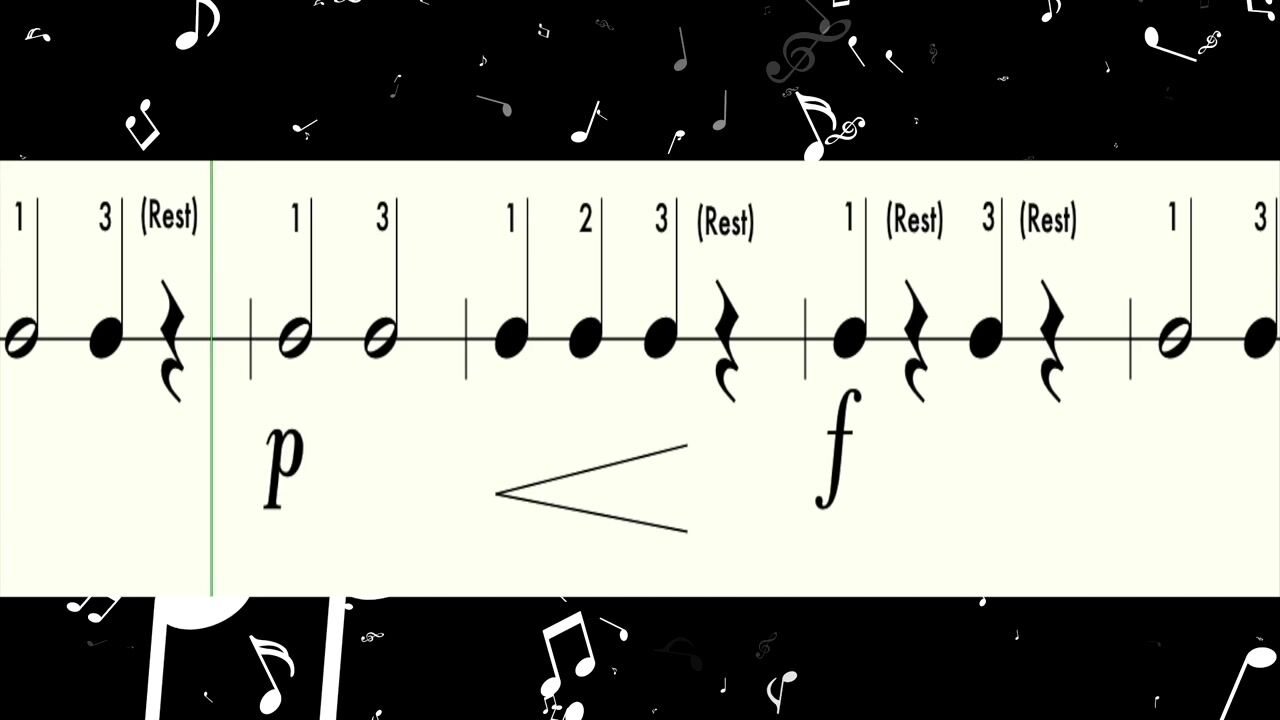
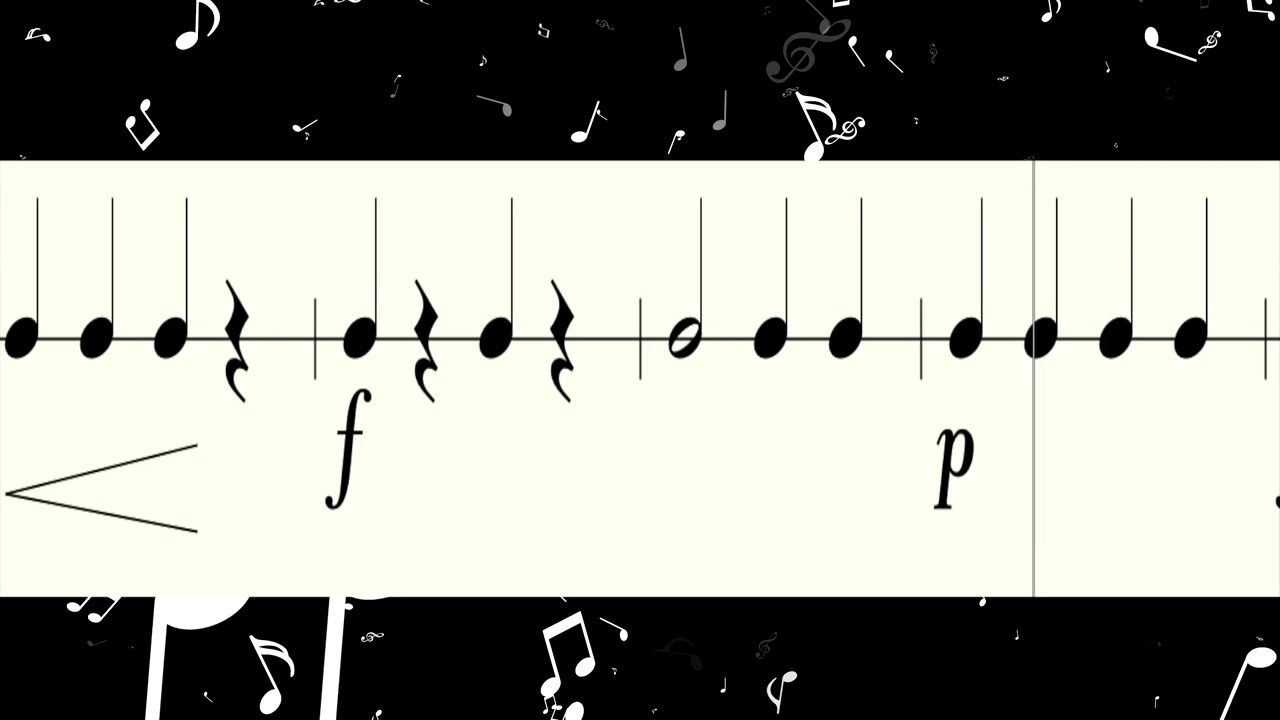
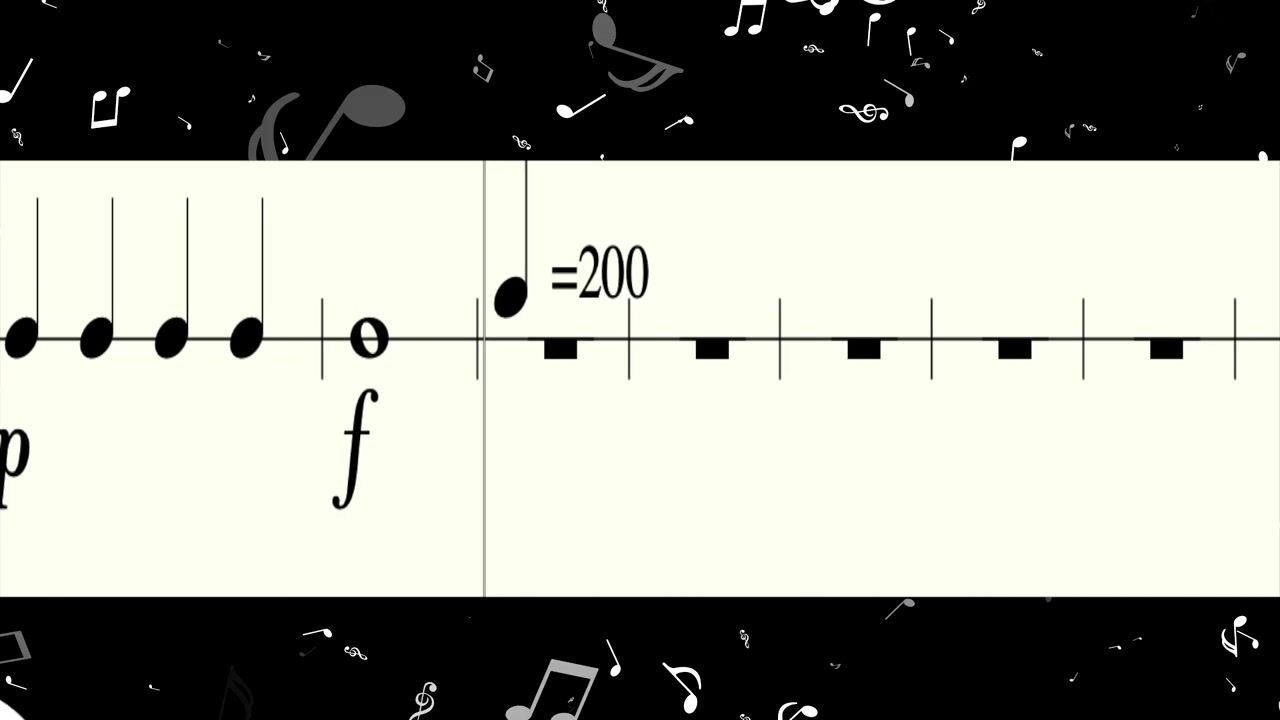
That built-in fade is what makes it a reading tool and not just a clapping game. Students get support when a rhythm is new, and then that support is taken away on purpose.
Later Levels
The early levels use whole, half, and quarter notes with rests. As you move up, you will see eighth notes, dotted rhythms, and sixteenth notes counted "1 e and a." Levels also include tempo changes. One middle and high school band director told us, "I love the Rhythm Rumbler tempo changes... I use the Rhythm Rumblers with my band students during the last 5 minutes of rehearsal. It has improved my musicians counting abilities."
Printable Sheet Music for All 30 Levels
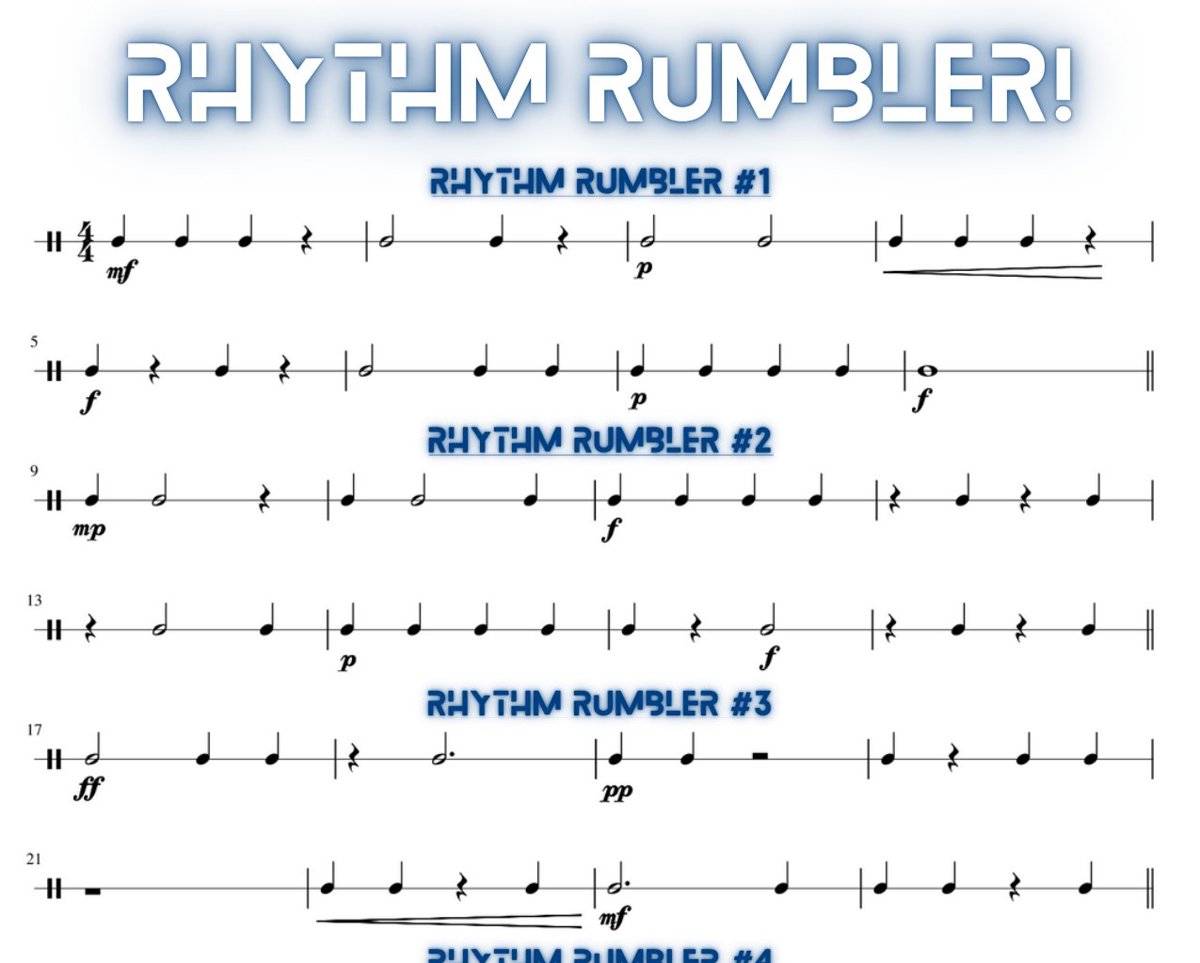
Rhythm Rumbler also comes with a reproducible sheet music PDF of all 30 rhythms, eight measures each, with dynamics. You can download it from your teacher dashboard. The printed version has no counts written in, which makes it a great next step after the projected version.
How I Would Use It With a Band
- Week 1: Project Level 1. Clap Round 1 with the counts. Count out loud on Round 2.
- Week 2: Repeat the level, but play Round 2 on concert B-flat. Add the dynamics.
- Week 3: Move up one level. Hand out the printed sheet music for the level you just finished and have sections play it with no screen.
- Every week: Point out where the same rhythm shows up in your concert music.
Other Rhythm Games in Three Minute Theory
Rhythm Rumbler is the whole-band warm-up. These tools are better for small groups, stations, or practice on student devices.
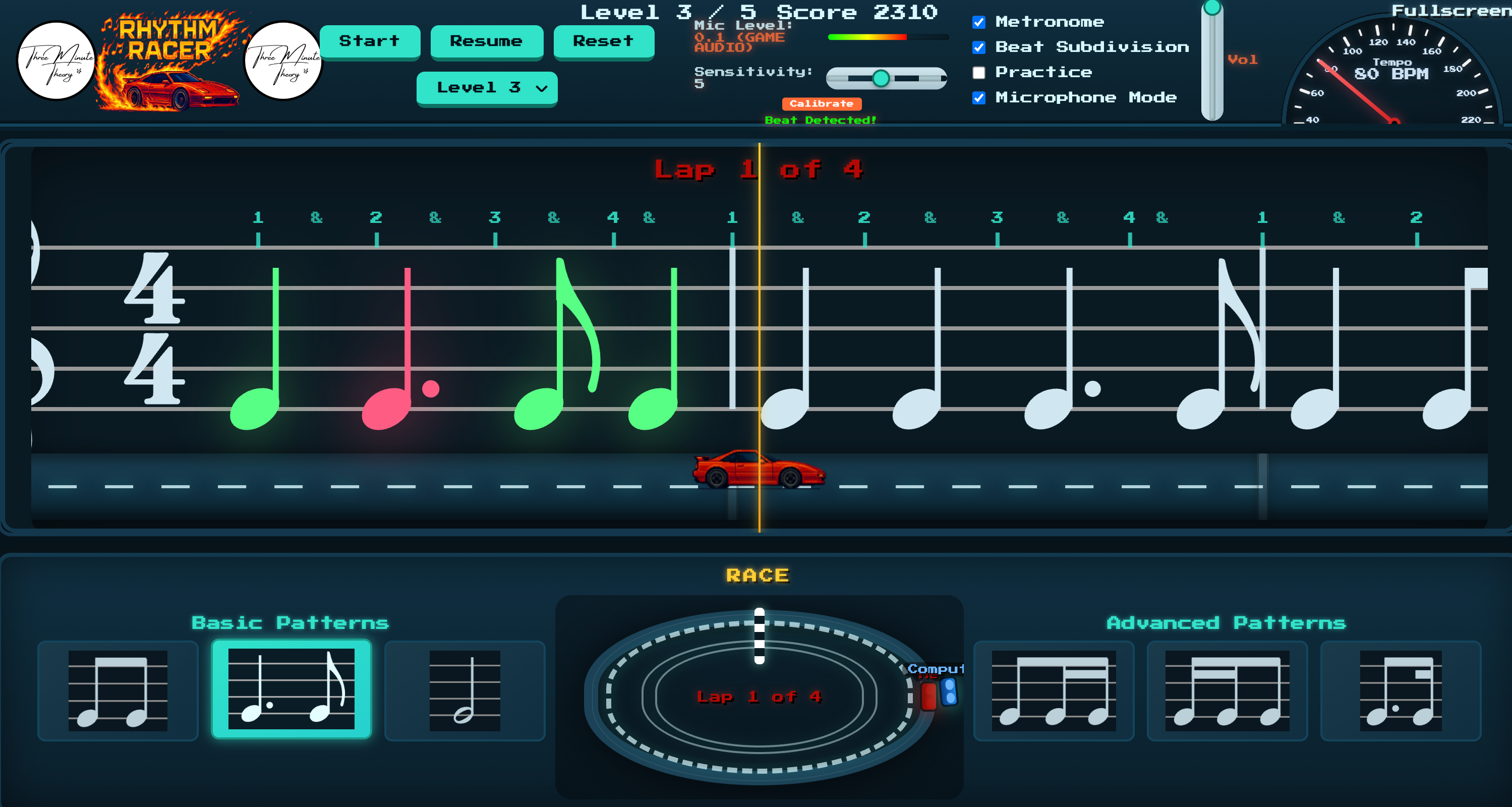
Rhythm Racer. Students race the clock while they read and perform rhythms. Notes scroll toward a line, and students press the spacebar as each note crosses it, or turn on Microphone Mode and clap or tap. Hits glow green, and early, late, or missed notes turn red. There are five levels, plus Metronome, Beat Subdivision, and Practice options, and a tempo dial from 40 to 220 BPM so you can slow things down.
Astro-Rhythm Rampage. This is a rhythm-reading game students can play on their own. They listen, then select the measure that matches what they hear. It is a nice way to practice rhythm dictation without you running it.
Drum Dropper. Build a drum groove students can tap along with. It is a fun way to practice steady pulse before you put a new rhythm on the board.
The Rhythm volume. Volume 2 of the curriculum has ten short video lessons, from Chapter 11 (Quarter Notes and Time Signature Review) through Chapter 20 (Multi-Measure Rests and Rhythm Review), with dotted rhythms, sixteenth notes, 6/8 time, and syncopation along the way. Every chapter can be reviewed with any of the review games.
Frequently Asked Questions
How long should a rhythm game take in band rehearsal?
Three to five minutes. Run it at the same point in rehearsal every day so it becomes routine.
Should students clap or play?
Both. Clapping and counting help them learn the rhythm. Playing it on one pitch moves it into their instrument. Then put it back in the music.
What about percussion?
Percussion students can lead counting, play the pulse on a practice pad, or play the rhythm on snare while the winds sizzle. Give them a real job.
Start With One Game Tomorrow
Pick one game from this list and run it right after warm-ups tomorrow. Keep the pulse steady, and take one piece of help away each day.
If you want Rhythm Rumbler and the rest of these tools, take a look at Three Minute Theory for band directors, or try it free for 7 days at ThreeMinuteTheory.com. Rhythm Rumbler is included in the free week. When your band is ready to sight-read full melodies, try the 5-minute daily sight-reading routine for band from our sister app, SightReadQuest. For more ideas from founder Matthew Gawronski, visit MatthewGawronski.com.