What Is the Best Music Theory App for Middle School?
The best music theory app for middle school is the one that fits the teaching task, the students, and the devices in your room. Three Minute Theory is worth considering for short shared lessons, review games, and chapter checks; musictheory.net is worth exploring for focused browser lessons and customized practice. Start with one skill and one clear way to check it rather than looking for a universal winner.
The best music theory app for middle school is the one that fits the teaching task, the students, and the devices in your room. Three Minute Theory is worth considering for short shared lessons, review games, and chapter checks; musictheory.net is worth exploring for focused browser lessons and customized practice. Start with one skill and one clear way to check it rather than looking for a universal winner.
Decide whether you need teaching, practice, or evidence
This guide is written by Three Minute Theory. It uses real saved platform screens and does not claim an independent test score or a universal ranking. Information about musictheory.net was checked on its own public pages on November 9, 2026 ET.
Start with a practical question: do students need an explanation, repetitions, or a check that tells you what to teach next? Three Minute Theory Chapter 5 gives you a bass-clef lesson frame you can pause and discuss. That serves a different purpose from asking students to name notes repeatedly.
For choir, band, and orchestra, choose a concept from the music on the stands. For general music, choose a short pattern students can read, hear, and explain. The app should make that step easier. It should not become the lesson's goal.
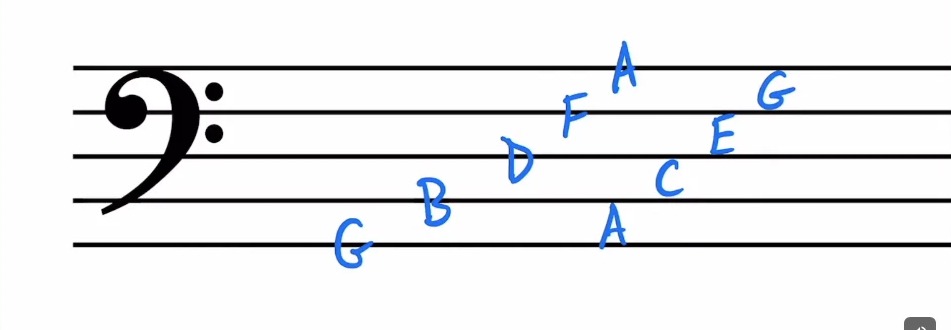
Use Chapter 5 to teach a staff landmark before asking for independent note-name practice.
For shared lessons, look at what you can pause and explain
Three Minute Theory's short lessons can sit inside an ensemble rehearsal. In Chapter 32, the saved Ode to Joy frame shows repeated notes and stepwise movement. Ask students to trace the movement, sing or play a small part, and find a step in their own line.
This image is not a side-by-side comparison of steps and jumps. If jumps are the next goal, teach a separate example, such as Chapter 33's solfege pairs. Be precise about what the screen actually demonstrates.
musictheory.net also provides browser lessons, including staff and clef material. Choose the presentation you can explain clearly to this class. A shared screen is useful only if students do something with the idea before you move on.
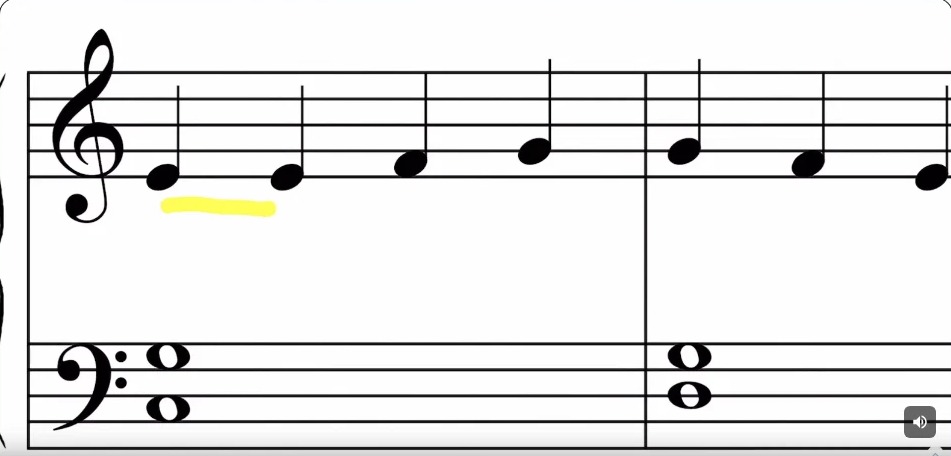
Chapter 32 shows repeated notes and adjacent-note movement here. The frame does not show a separate jump example.
For targeted practice, narrow the skill
If students understand the explanation but need repetitions, make the task small. TMT Trivia can check a key signature and then show the answer explanation. Afterward, ask students to find the key and the altered notes in a real part.
musictheory.net's FAQ describes permanent customized exercise links and settings such as key signatures, accidentals, and note filters. Those are useful when one student's practice needs differ from the whole class.
Do not move from a simple clef lesson straight into a drill that also adds unfamiliar accidentals and a wide range. When students struggle, you need to know which part of the task caused the mistake. Keep the exercise close to the teaching goal and add one challenge at a time.
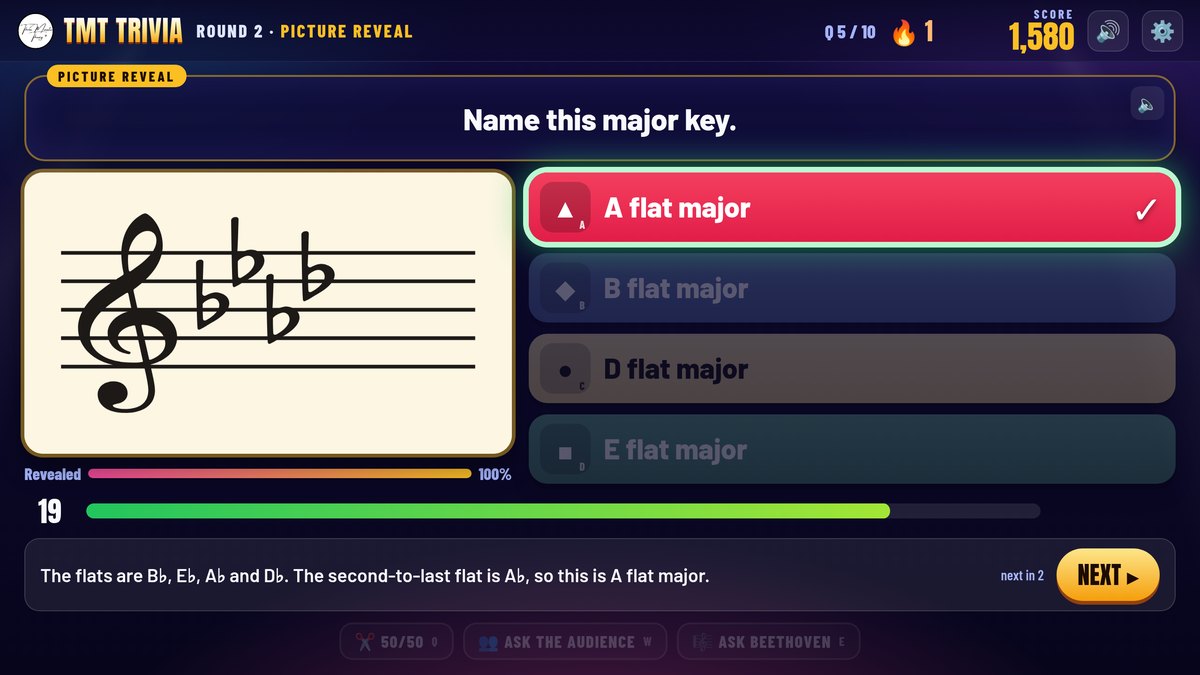
This TMT Trivia example checks a major key signature. It is not a note-naming or sung-pitch exercise.
For listening and performing, test the response mode
A multiple-choice answer, a sung pitch, and a played phrase are different kinds of evidence. Three Minute Theory's Note Namer asks students to sing or play through a microphone. Select the right instrument or vocal range before practice. The saved dropdown shows options, not an active performance.
Before using microphone work for a grade, test permissions, background noise, and the device setup your school allows. Have students show the same skill away from the app too. A note target is a focused exercise, not a complete rehearsal assessment.
If your main goal is full sight-reading with feedback rather than a theory lesson, also explore SightReadQuest for choir or its ensemble pages. It serves a related but different need. You do not need every tool to complete one useful lesson.
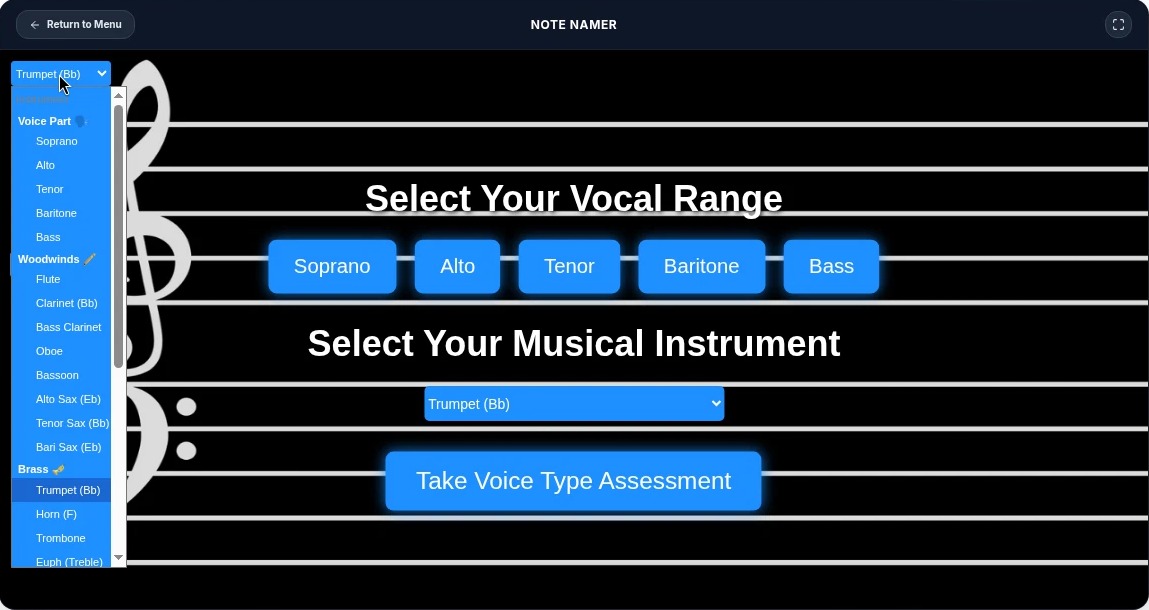
The Note Namer dropdown helps match the setup to the singer or player. The image does not show an exercise result.
For assessment, inspect the next teaching step
Three Minute Theory's chapter assessment cards give you a Project Quiz route for discussion and an Assign route for individual work. Start with the chapter you taught, then use the answers to choose tomorrow's review.
musictheory.net's FAQ explains how students can submit signed Progress Reports from customized exercises. Its Challenge Mode can add a time or question limit. That is a useful homework route to evaluate, not a reason to claim one platform is the only option with evidence of completion.
Ask a simple question after the check: what will I change tomorrow? If the answer is only "give them more questions," the feedback may not be specific enough. Sort note-location mistakes separately from key-signature and rhythm mistakes. For examples, see our music theory assessment guide.
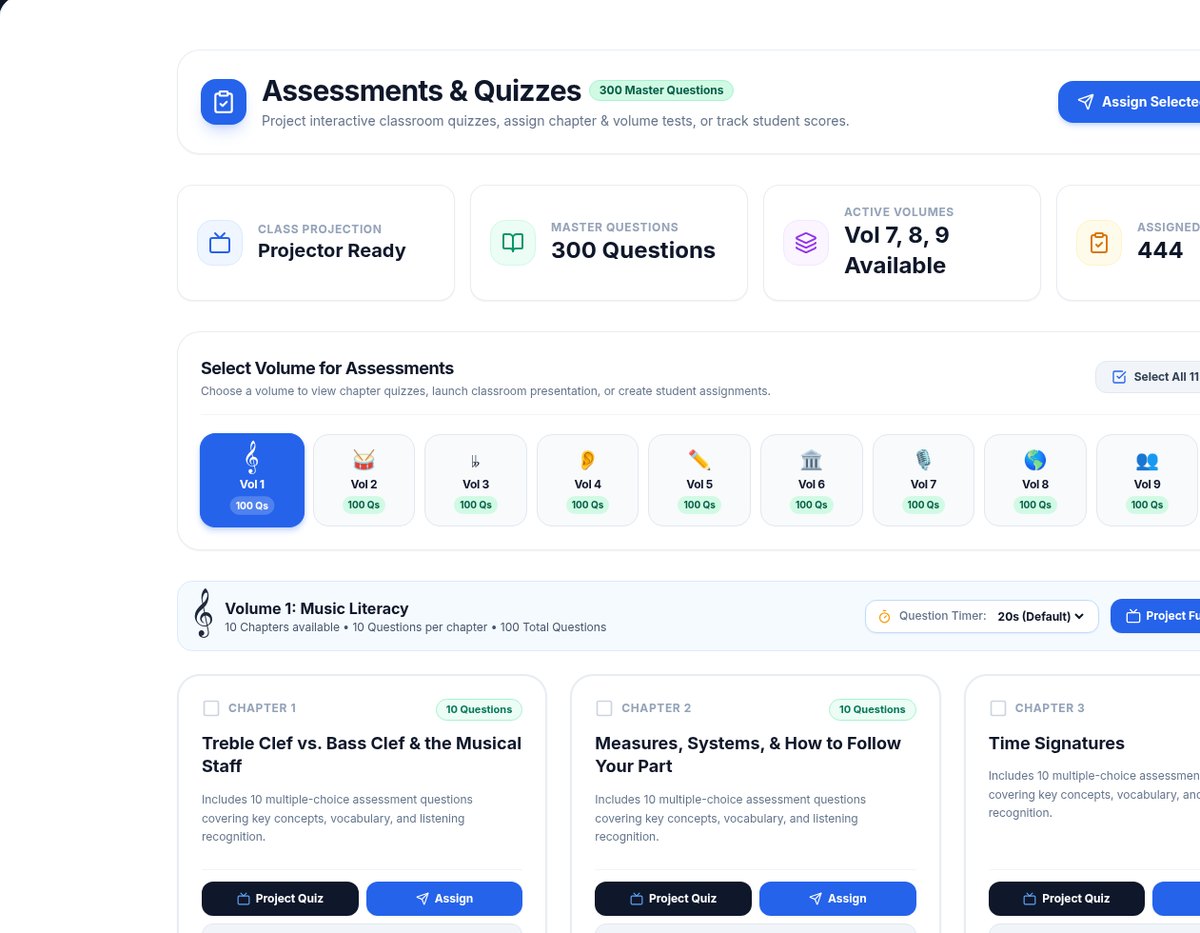
Choose the chapter that matches the lesson, then decide between a projected discussion and an individual assignment.
Make a choice you can explain to your department
Use the same short objective to review each tool. Check lesson clarity, student response, teacher review, device access, and the current cost for your use. Do not treat this article as a security certification or a substitute for district approval.
- Choose Three Minute Theory when the short lesson, review game, and chapter-check sequence is what you need.
- Explore musictheory.net when a browser lesson or narrow customized exercise fits the task.
- Keep a simple offline explanation and a short passage ready if the device setup fails.
For Three Minute Theory, review the monthly and yearly plans at ThreeMinuteTheory.com. For a fair side-by-side view, use our comparison overview. Once you choose, bring the same concept back to the students' music. That is the check that matters most.
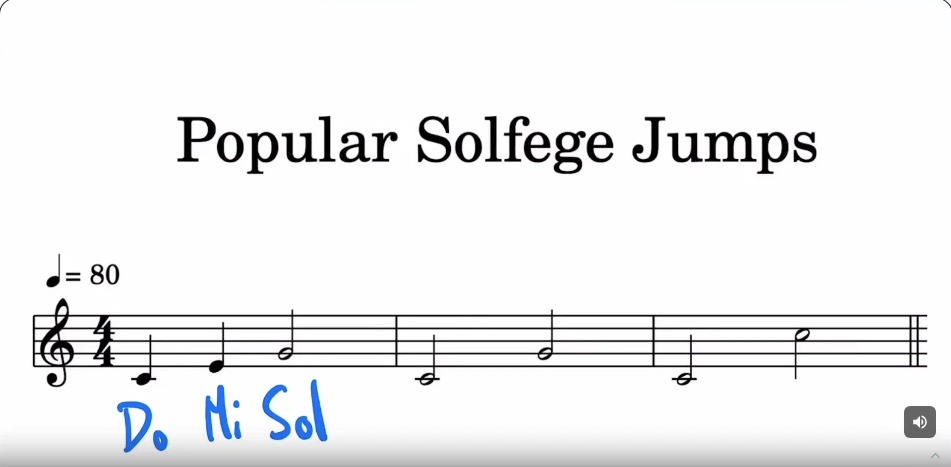
Carry the Chapter 33 pitch relationships into a short phrase from the students' own music.
Frequently asked questions
What should a middle school music theory app teach first?
Start with the skill students need in their current music, such as locating staff notes, keeping a pulse, or reading the key signature. Use a small example, then check the same skill in a new phrase.
Is a free resource enough for music theory practice?
It can be. musictheory.net provides browser lessons and exercises with customized links and Progress Reports. Decide whether that workflow meets the teaching and reporting needs in your classroom.
Does a correct app answer prove a student can perform the music?
No. Use the answer as one piece of evidence, then ask the student to sing, play, clap, or explain a short new example. Match the check to the actual skill.
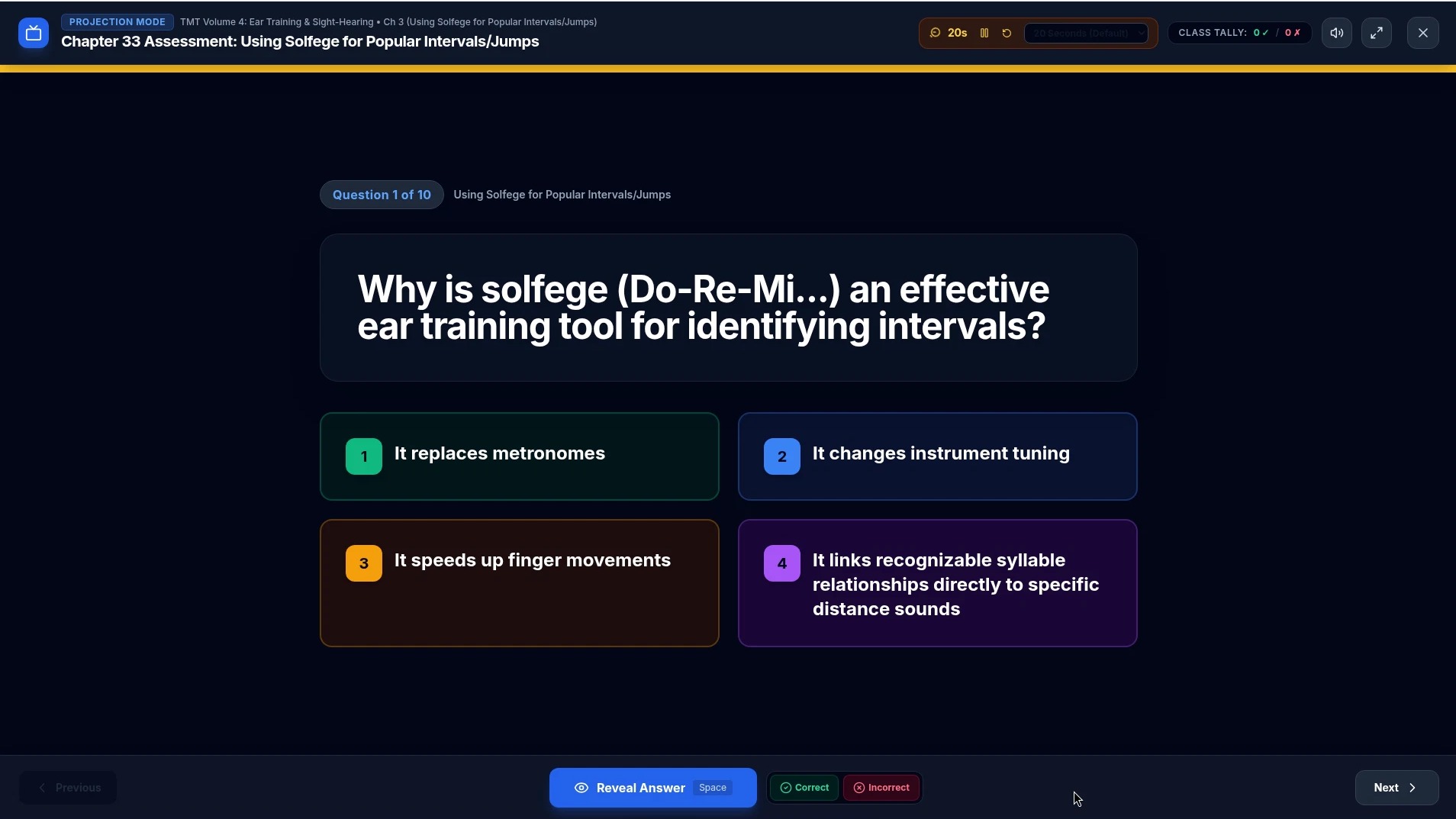
This Chapter 33 projection asks a concept question about solfege and intervals. It is not an audio performance test.