REASON 01. Give alto clef direct attention
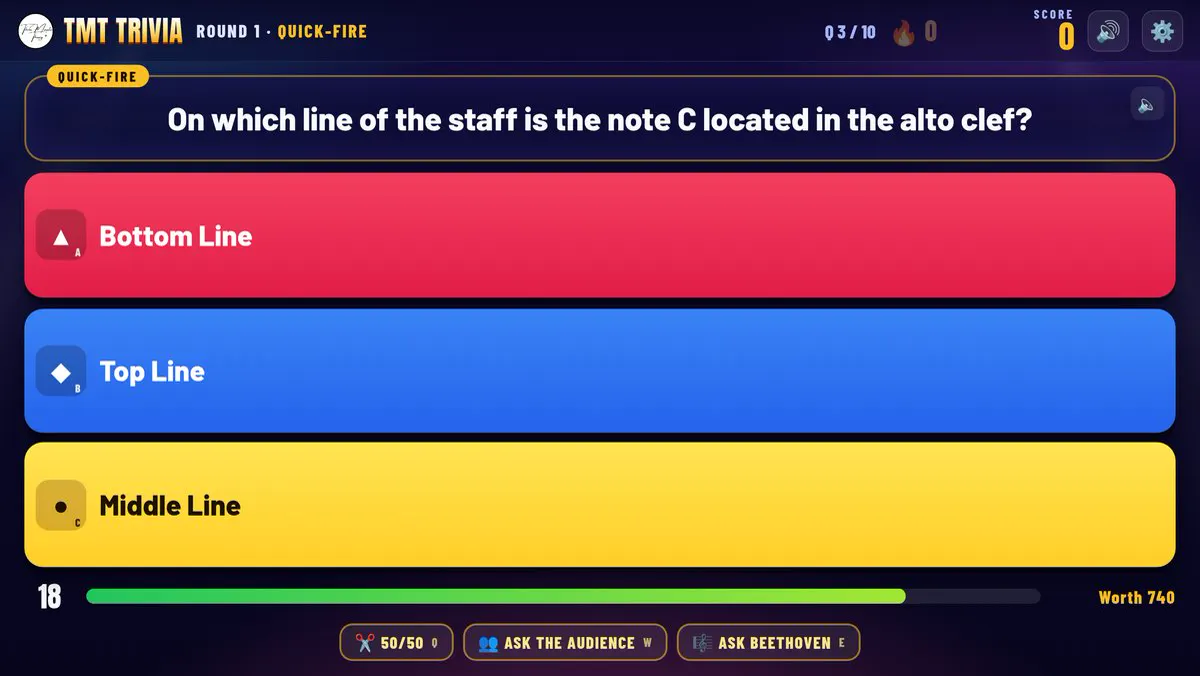
Use the alto-clef material for a focused reading task. The example asks students to find the C line on the staff. It is real chapter review, not a generic treble-clef screen relabeled for viola.
Support the reading behind the rehearsal. Teach clefs, rhythm and meter in short lessons, use targeted review, and add music-history context when it serves your class.
A string class includes different clefs and different starting points. Choose the concept that needs attention, teach it clearly, then let students show what they understood.
“I have more student engagement after using Three Minute Theory.”
Joy Reyes · Middle School Orchestra/Choir/Band/Guitar Teacher
Monthly or yearly Teacher License · For every class you personally teach
Short video lessons · Chapter-based games and review · Project or assign
Use the alto-clef material for a focused reading task. The example asks students to find the C line on the staff. It is real chapter review, not a generic treble-clef screen relabeled for viola.
The alto-clef answer explanation points back to the C line. Use it to connect the symbol to the reading step, rather than stop at the correct answer. Students can revisit the explanation before the next question.
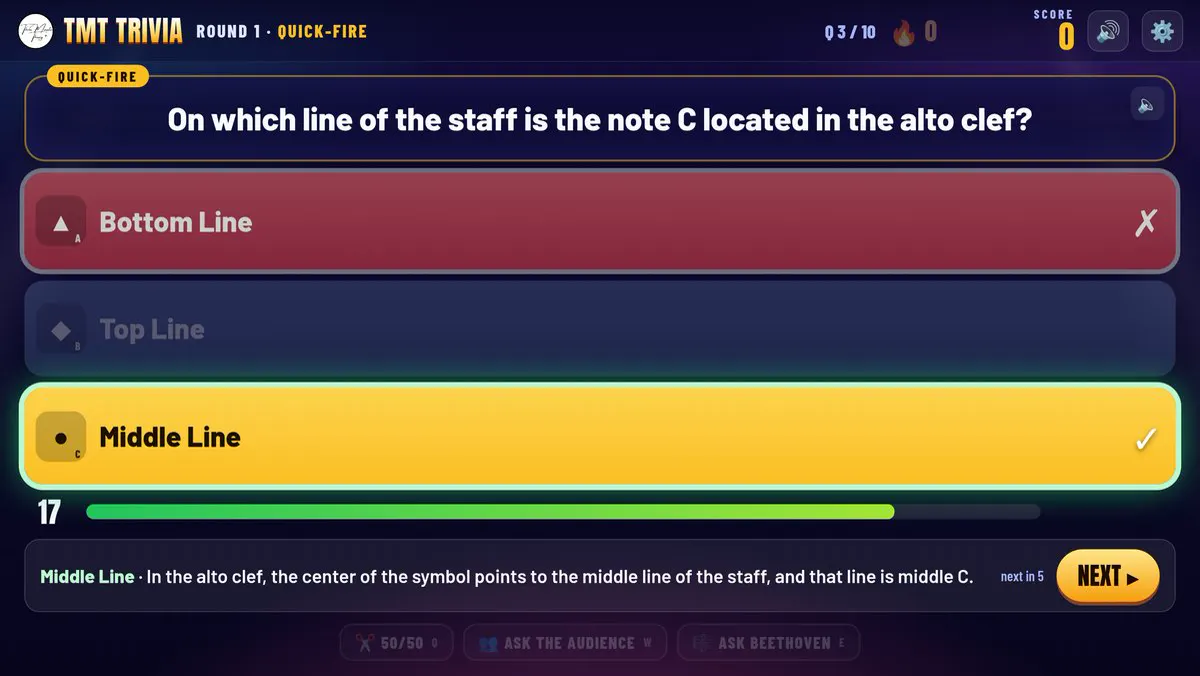
Use a short time-signature lesson when players need a clearer explanation of the numbers. Return to the repertoire after the class has worked on the concept itself.
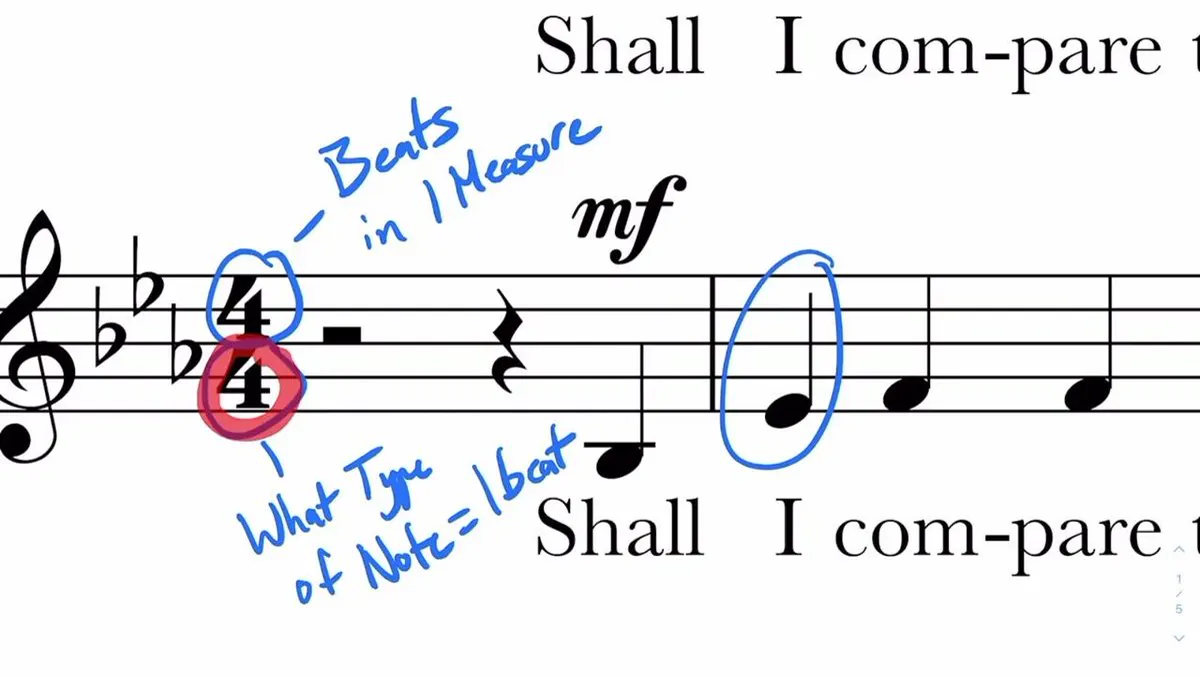
Use a game for another pass through rhythm practice. Select the material to support the lesson, not just to fill time. The screen below is actual Astro Rhythm Rampage gameplay.
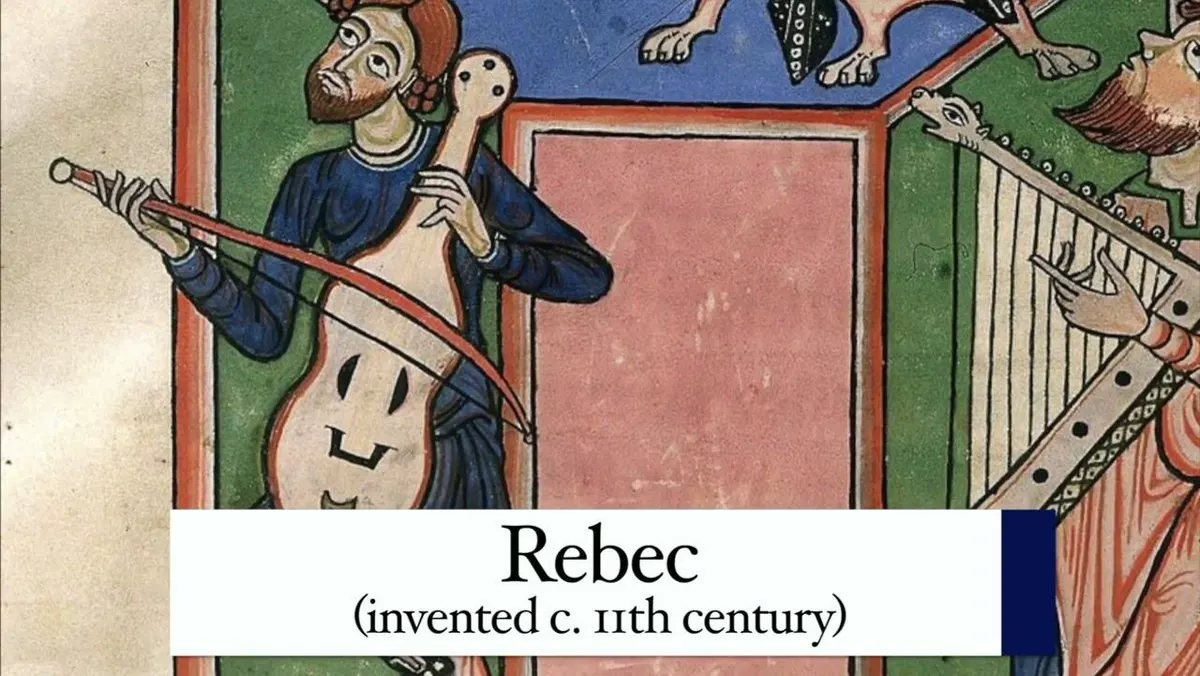
The curriculum includes music-history material. An orchestra-history lesson can give your class a short context task alongside reading work. The pictured lesson shows a rebec.
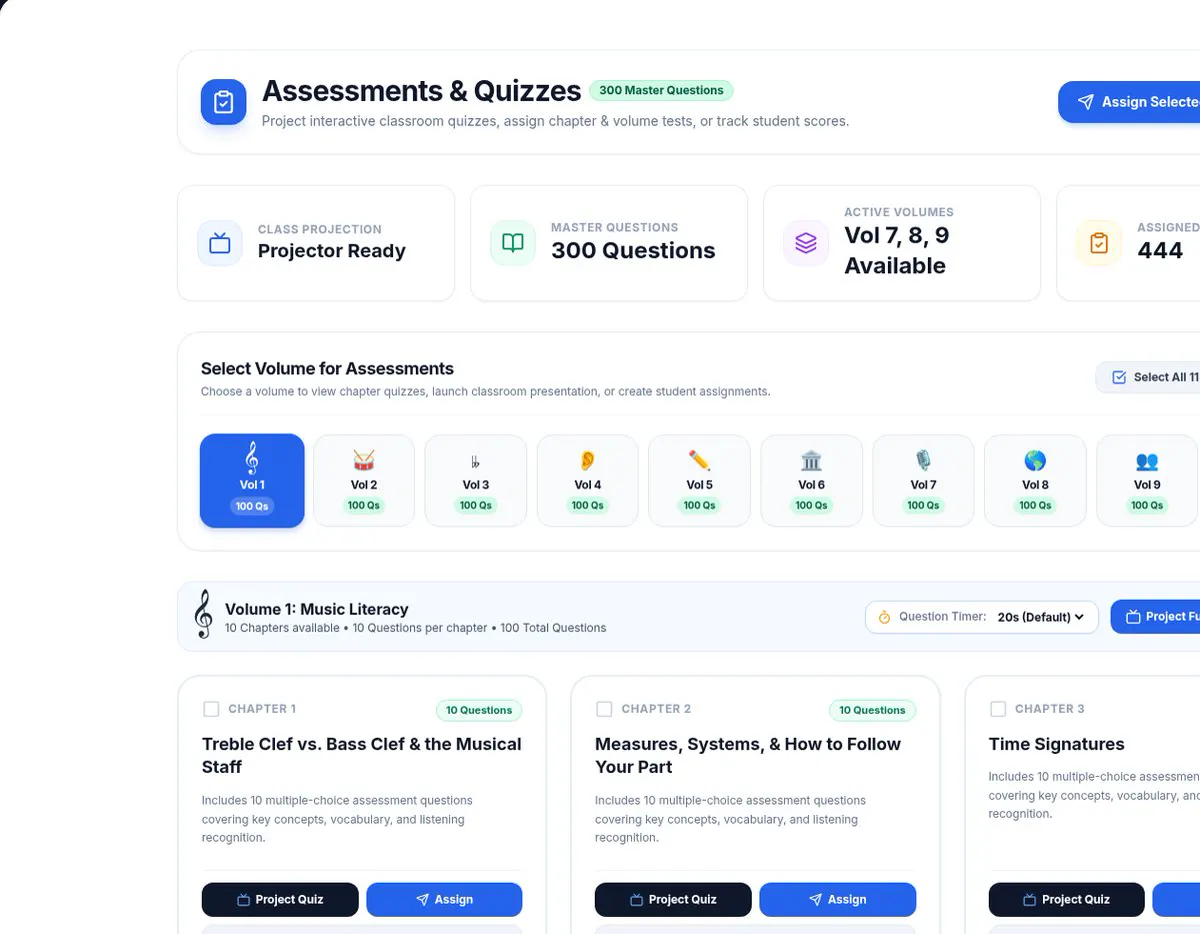
Use Assessments & Quizzes when you want a focused response to the concept you taught. Project a check or assign work, with the access model matched to how you need to track progress.
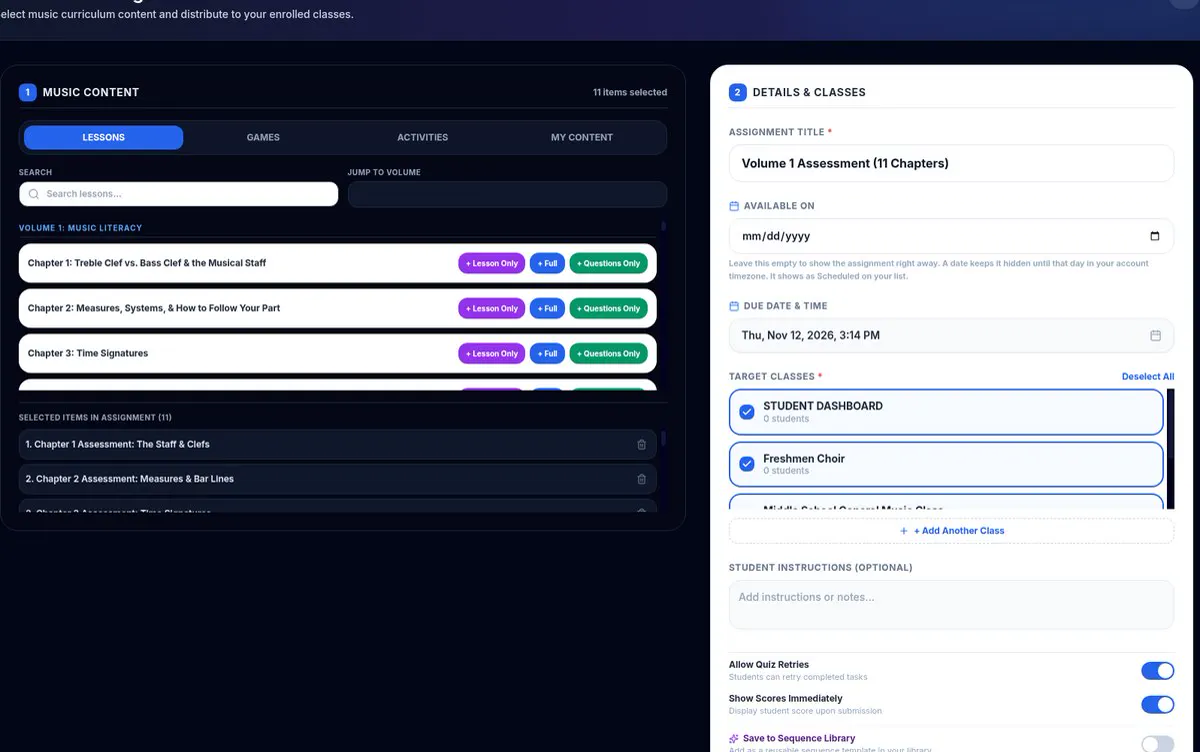
Use the assignment screen to give students a clear next step. The Teacher License covers every class you personally teach, with shared access and 25 individual logins included.
“I have more student engagement after using Three Minute Theory.”
One Teacher License covers every class you personally teach. It includes unlimited students on your shared classroom dashboard and 25 individual student logins.
$39/month
Teacher access, shared classroom dashboard and 25 individual student logins.
$349/year
Teacher access, shared classroom dashboard and 25 individual student logins.
Teacher access includes 10 volumes, 100 chapters, over 300 content-specific games, Three Minute Theory AI and Rhythm Rumbler.
Check the renewal amount before paying. Cancel from Account Settings and keep access through the paid period.
Standard prices checked November 7, 2026 (ET). No promotional code or discount is assumed.
No. The curriculum supports choir, band, orchestra and general music. Start with the reading concepts your students need, or use a chapter alongside your rehearsal work.
No. A Teacher License includes unlimited students on the shared classroom dashboard and 25 individual student logins. Shared mode is different from named, individual progress tracking.
Yes. Use the classroom screen for group teaching, or assign work for students. Match your assignment and progress-tracking workflow to shared access or individual logins.
Yes. Cancel in Account Settings. You keep access until the end of the period you paid for. Confirm the renewal amount and billing interval before purchasing.
Review the monthly and yearly Teacher Licenses on the store page.